Business
Barratt Redrow Cuts Dividend as Rising Building Costs Weigh on Profits

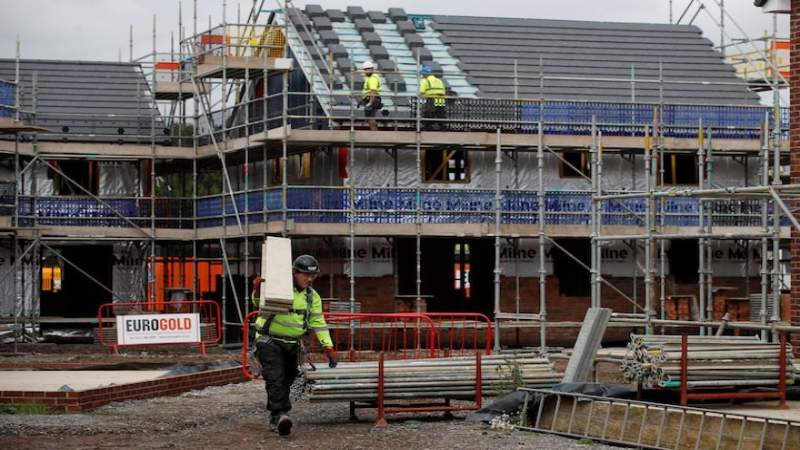
Barratt Redrow has reduced its interim dividend and reported a drop in first half profits as higher construction costs continue to pressure margins across the UK housing market.
The country’s largest housebuilder said adjusted pre tax profit fell 13.6 percent to 199.9 million pounds for the six months to December. In response to the softer performance, the company trimmed its interim dividend to 5 pence per share, down from 5.5 pence a year earlier. Shares fell sharply following the announcement, reflecting investor disappointment over the payout reduction.
The company said rising build costs and relatively flat house prices have squeezed profitability, a challenge facing much of the sector. While mortgage rates have stabilised compared with previous peaks and buyer reservations have shown some resilience, developers are still grappling with input costs that have outpaced selling price growth.
Chief executive David Thomas said the business could absorb a degree of cost inflation without relying heavily on house price increases. He indicated that a 2 percent rise in build costs could be offset with less than 1 percent growth in selling prices, suggesting some operational flexibility within current margins.
Despite the pressure, Barratt Redrow reaffirmed its target for home completions this financial year and forecast full year adjusted pre tax profit within market expectations of between 558 million and 617 million pounds for the year ending in June. Management signalled confidence that output levels would rise even if the pace of sales does not accelerate significantly.
The dividend cut is likely to draw attention because Barratt Redrow has historically been among the more generous dividend payers in the sector. Analysts said the move may disappoint income focused investors, though it could align the company more closely with industry peers that have already adjusted distributions amid market uncertainty.
In addition to tightening its dividend policy, the builder has scaled back land approvals. It now expects to approve between 10,000 and 12,000 plots this fiscal year, compared with a previous replacement level intake of roughly 17,000 plots. The more cautious land strategy reflects efforts to manage risk in a market that remains subdued.
The company also said it does not expect a significant impact from recent UK planning reforms until mid 2026. The legislative changes were introduced to streamline development approvals, but executives cautioned that benefits would take time to materialise.
Looking ahead, Barratt Redrow plans to increase the number of active sales outlets to between 425 and 435 by fiscal 2027, up from 409 at the end of last year. Management believes a broader outlet network will support completion volumes even if overall market conditions remain steady rather than buoyant.