Tech
Australia Bans Social Media for Children Under 16 How the New System Will Work

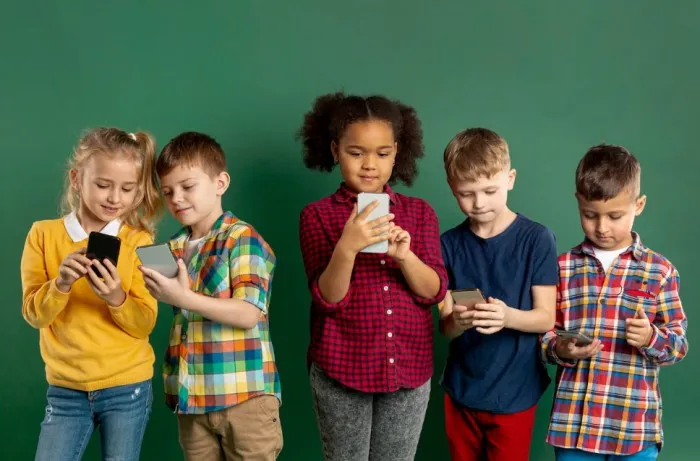
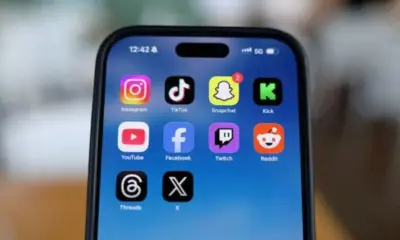
Australia has introduced one of the most sweeping online safety measures in the world by banning anyone under the age of 16 from using major social media platforms. The new rule applies to services such as TikTok, Instagram, Facebook, YouTube, Snapchat, X and Threads. Children can no longer create accounts, and existing profiles belonging to underage users are being deactivated. The policy has immediately captured international interest, as other countries watch to see whether it can genuinely protect young people or whether enforcement challenges will undermine its goals.
Enforcing the Age Ban Across Major Platforms
A central question is how authorities will ensure that users are genuinely over 16. Social media platforms in Australia are now required to implement far more robust age verification than before. This includes identity checks, government approved verification tools and new systems designed to detect when a child attempts to sign up using false information. Companies must also regularly review their user base to remove underage accounts that slipped through earlier systems. Although the government acknowledges that no method is perfect, officials insist that forcing platforms to verify identity rather than relying on self declared birthdates marks a significant step forward in online safety.
Parents are also expected to play a role. The government has encouraged families to prepare for the change by discussing online behaviour and ensuring children do not attempt to circumvent the ban. Schools will incorporate guidance into existing digital literacy programmes to help students understand why the new rules exist and what alternatives they can use to stay connected safely.
Why Australia Moved Toward a Strict Age Limit
The decision comes after years of research showing the risks young people face online. Concerns include exposure to harmful content, cyberbullying, addictive social media behaviours, unrealistic beauty standards and the mental health effects associated with constant comparison culture. Policymakers argued that children under 16 are not developmentally equipped to manage these pressures, especially on platforms designed to maximise user engagement. The move reflects a growing belief that social media companies have not done enough to protect young users and that governments must step in with stricter regulation.
Supporters of the ban say that online platforms have grown too powerful and too deeply embedded in children’s lives, often shaping self esteem, friendships and even sleep patterns. By removing access, officials hope to give young people more space for offline activities and healthier social interaction.
A Policy with Strong Critics and Tough Challenges
The ban has generated significant debate. Critics argue that taking social media away from teenagers will not automatically make them safer and may push them toward unregulated platforms or VPN workarounds. Others believe the policy limits freedom of expression for young people and fails to acknowledge that many teens rely on social media for education, creativity and community. There are also privacy concerns linked to age verification, with some fearing that requiring identification may lead to broader surveillance.
Tech experts warn that enforcing the ban at scale will be extremely difficult, especially since many social media platforms can be accessed through browsers or secondary apps. Some argue that the government should focus on digital education and stronger content moderation rather than banning teenagers entirely. The government has responded by saying that no policy is flawless but that doing nothing would allow online harms to worsen.
A Turning Point for Global Online Safety
Whether the policy succeeds will depend on how rigorously platforms enforce the rules and how effectively families and schools support young people through the transition. If the ban reduces harmful online experiences, other nations may follow with similar restrictions. If it proves difficult to manage, it may instead serve as a lesson in the complexity of regulating digital life.
Australia’s move marks a major shift in how societies think about childhood in the digital age. The coming months will show whether limiting access to social media can meaningfully improve wellbeing or whether deeper reforms to the online ecosystem are needed.