News
Allotments to Be Replaced by Cemetery Despite Resident Opposition in South West London

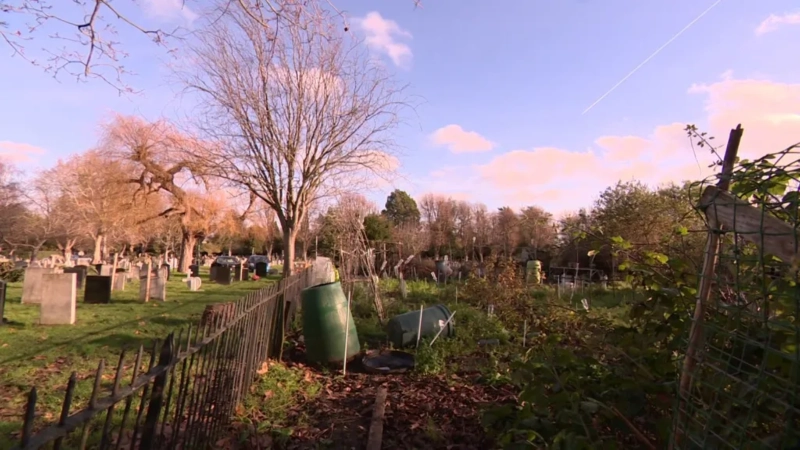
Plans to convert allotments into an extension of Teddington Cemetery have sparked concern among residents after Richmond Council confirmed it would proceed despite a petition signed by nearly 1,700 people. The decision will see land currently used for community gardening on Shacklegate Lane repurposed to address a shortage of burial space. While the council has acknowledged local opposition, it has argued that expanding the cemetery is necessary to meet urgent demand for plots within the borough.
The proposed development will replace existing allotments with new burial areas, although the council has said alternative sites will be offered to affected plot holders. Residents have raised concerns that the loss of the allotments would remove a long standing community asset, with critics arguing that the land plays an important role in promoting sustainability, wellbeing and local food production. The petition submitted to the council called for a reconsideration of the plans and urged officials to explore more sustainable, long term solutions to burial capacity issues.
Opponents of the project have questioned whether expanding the cemetery represents the best use of limited green space. Community representatives told councillors that the allotments serve as a vital resource for local residents and should not be sacrificed without exploring alternative options. Campaigners have also pointed out that the planning permission for the cemetery expansion dates back several decades, arguing that changing social priorities and environmental concerns should now be taken into account when assessing the proposal.
Council officials, however, have maintained that the expansion is necessary due to a growing shortage of burial space in the area. They emphasized that while the allotments are valued, the need to accommodate future burials presents a significant challenge that requires immediate action. The authority also stated that efforts would be made to support affected residents in relocating to other available spaces within the borough, aiming to reduce the impact on the local gardening community.
The issue has highlighted a broader debate facing many London boroughs as they balance competing demands for land use. With limited space available, councils must navigate the challenge of preserving green areas while also meeting essential infrastructure needs such as housing and burial facilities. In this case, the decision has underscored the tension between community priorities and practical considerations linked to long term planning and population needs.
Residents involved in the campaign have continued to express disappointment at the outcome, stating that the allotments represent more than just land and form an important part of the local environment. They argue that losing the space would have lasting consequences for community cohesion and environmental sustainability. Some have also called for a wider review of burial policies, suggesting that innovative approaches could help reduce pressure on land without removing valuable green areas.
Despite the objections, the council has confirmed that the project will move forward following approval of the plans. The development marks a significant change for the area and reflects the increasing pressure on urban land use in London. As work progresses, attention is likely to remain focused on how the council manages the transition and supports those affected by the loss of the allotments.