
News
AI Moves Into UK Classrooms, but Teachers Question Whether It Can Ease Workload Pressures

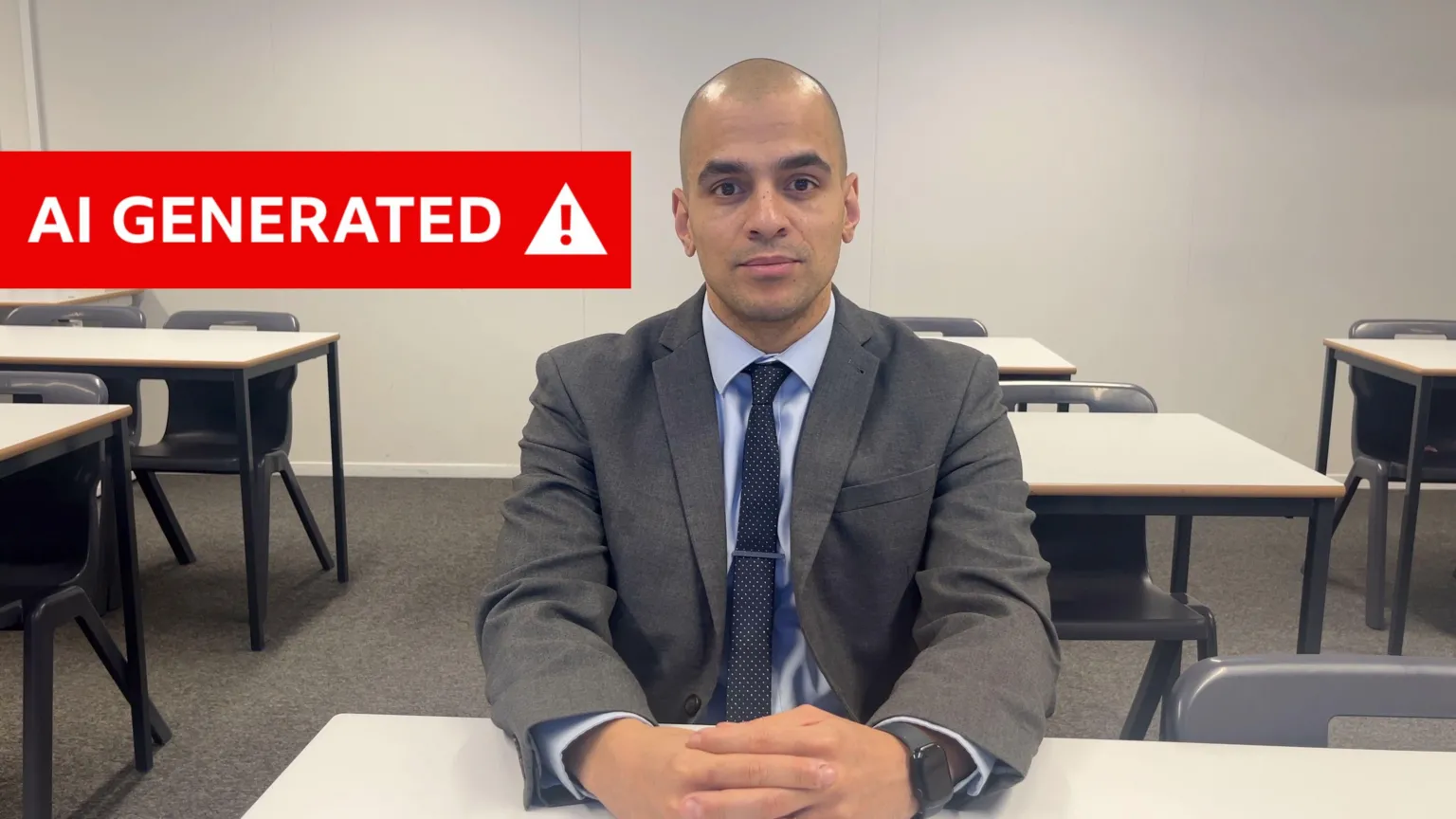
Artificial intelligence is becoming a growing presence in UK schools, where some classrooms are now experimenting with deepfake teachers and remote educators delivering lessons from hundreds of miles away. The rapid adoption of new technologies has sparked excitement in some quarters and concern in others, as educators debate whether AI can genuinely support overworked teaching staff or simply add new layers of complexity.
The government has promoted AI as a potential game changer for education, arguing that it could significantly reduce administrative burdens and free teachers to focus more on students. Tasks such as lesson planning, marking and data management are among the areas officials say could be streamlined with the help of automated tools.
But while trials are progressing, not everyone is convinced. The BBC spoke to teachers, school leaders and union representatives who expressed mixed views about the direction in which classrooms are heading. Some welcomed the possibilities, saying AI could help fill staffing gaps, offer personalised learning tools and relieve pressure on schools facing severe recruitment and retention challenges. Others warned that relying too heavily on technology could undermine the human connection that lies at the heart of effective teaching.
One of the more controversial developments involves the use of deepfake style virtual teachers to record or simulate lessons. Proponents say these systems can provide consistent instruction when teachers are absent, while critics argue they risk creating detached, less engaging learning environments. Similarly, remote teaching arrangements, where staff appear on screen from distant locations, have raised questions about whether virtual presence can substitute the guidance and rapport that come from being physically in the classroom.
Union leaders have urged caution, stressing that AI should complement teachers rather than replace them. They argue that without proper safeguards, schools could face issues around data privacy, accuracy of AI generated content and the potential deskilling of educators. There are also concerns about inequality, as not all schools have the resources to adopt advanced systems, potentially widening existing gaps in educational provision.
Teachers themselves report a mixture of optimism and anxiety. Some see AI as a useful tool that could save hours of administrative work each week, while others fear increased monitoring, unrealistic expectations or pressure to adapt to technologies that are still evolving. Many say what they need most is more staff and improved working conditions, not digital replicas or remote instructors.
As the debate intensifies, one point is clear: AI will continue to shape the future of education, but its role is far from settled. Whether it becomes a genuine solution for overworked teachers or a source of new challenges will depend on how schools, policymakers and educators choose to integrate it into daily practice.



