Entertainment
A Major Cultural Theft Sends Shockwaves Through Bristol

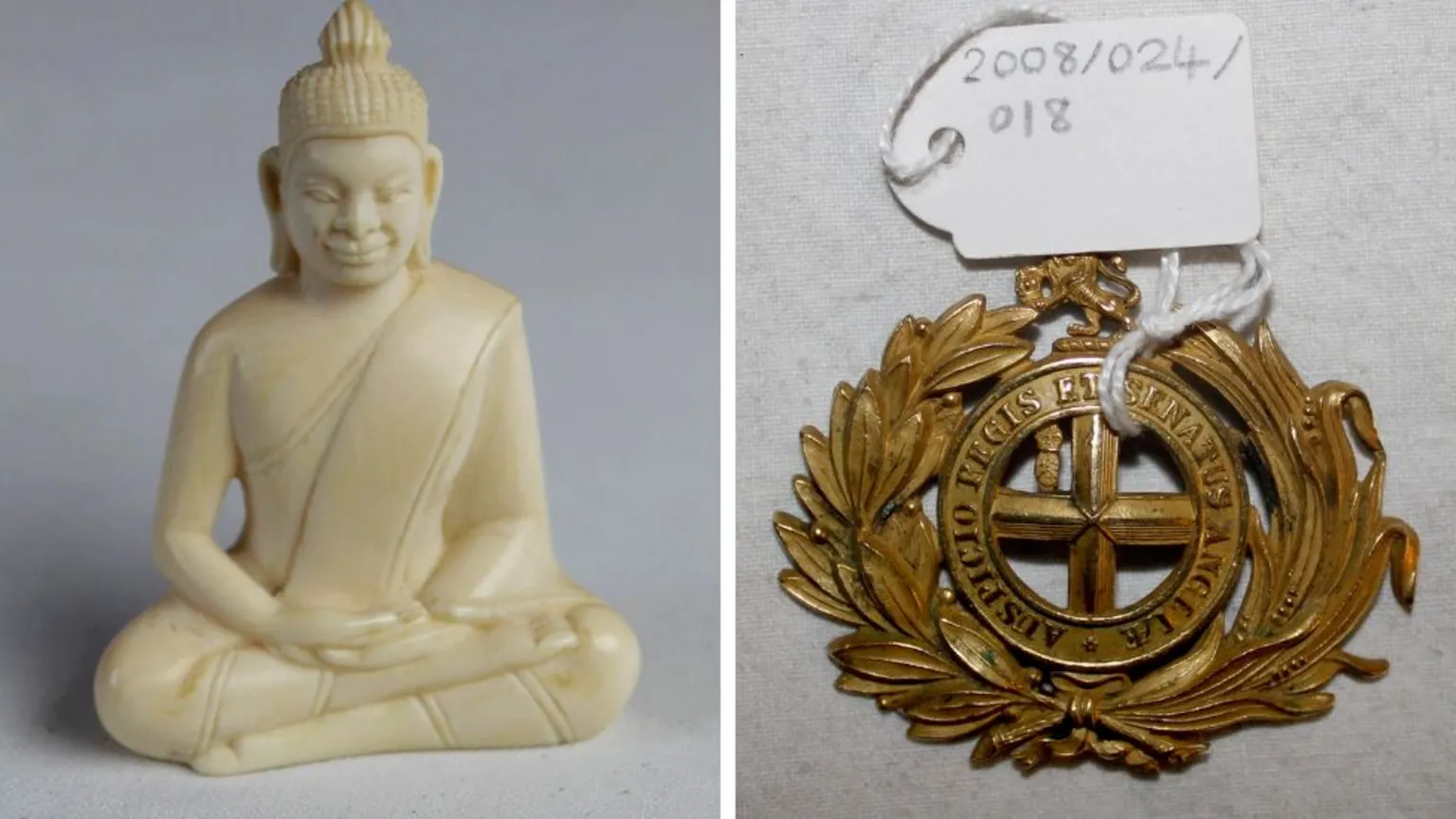
A high value museum raid in Bristol has led to the disappearance of more than six hundred culturally significant artefacts, prompting an extensive police investigation and widespread concern among heritage experts. The items were stolen from Bristol Museum’s archive in the Cumberland Basin area during the early hours of 25 September. The scale of the theft, the variety of pieces taken and the targeted nature of the operation have raised urgent questions about security, the illicit antiquities market and the vulnerability of cultural institutions across the United Kingdom.
What Was Taken In The Raid
Police confirmed that the stolen items include military memorabilia, jewellery, natural history specimens and a range of carved ivory, bronze and silver figurines. Many of these artefacts were part of the museum’s British Empire and Commonwealth collection, a significant archive that documents Britain’s global historical connections. Losing such a large number of items represents not only a financial loss but a profound cultural and educational setback. Each artefact offered insight into historical relationships, craftsmanship and colonial era narratives. Their removal from the public collection affects researchers, schools and visitors who rely on such archives to understand the past.
How The Theft Was Carried Out
Investigators believe the raid was executed with planning and precision. The thieves entered the archive during the night and appear to have known exactly where valuable items were stored. This has led authorities to consider the possibility that the suspects had prior knowledge of the facility or received information from someone familiar with the layout. Detectives have released CCTV images showing four men in the area at the time of the raid, urging the public to come forward with any information. The investigation also includes forensic analysis and coordination with agencies that monitor the illegal trade of cultural artefacts.
The Impact On Bristol’s Cultural Community
The theft has deeply affected those responsible for safeguarding Bristol’s heritage collections. Philip Walker, head of culture and creative industries at Bristol City Council, described the incident as devastating. Museums serve as custodians of public history, and their collections are intended to be preserved for future generations. Losing hundreds of artefacts disrupts years of curation and conservation work. For staff, the emotional toll is severe because each piece represents a link to shared history. The incident also forces institutions to rethink their security strategies, especially at off site storage locations that may not have the same level of protection as main museum buildings.
Concerns About The Illicit Antiquities Market
Large scale museum thefts often feed into international networks that trade stolen cultural property. Items can move quickly across borders, making recovery difficult. Experts warn that carved ivory, precious metals and historic figurines are especially vulnerable because they can appeal to private collectors and criminal trafficking groups. Once artefacts disappear into underground markets, they can be sold under false provenance or broken down into smaller components. This highlights the broader challenge faced by museums worldwide as cultural theft grows more sophisticated. Collaboration between law enforcement agencies, auction houses and international bodies will be essential in tracing and recovering Bristol’s missing artefacts.
A Call To Protect Cultural Heritage
The Bristol raid underscores how valuable cultural assets remain at risk, even within well established institutions. As the investigation continues, the priority is recovering the stolen items and ensuring those responsible are identified. The incident also serves as a reminder that cultural heritage must be protected through investment in security, updated technology and public awareness. Museums play a crucial role in preserving collective memory, and their vulnerability affects society as a whole. For Bristol, the hope is that these artefacts can be returned and that stronger safeguards will prevent similar losses in the future.