Politics
Olly Robbins claims Downing Street sought diplomatic role for Starmer aide without informing foreign secretary

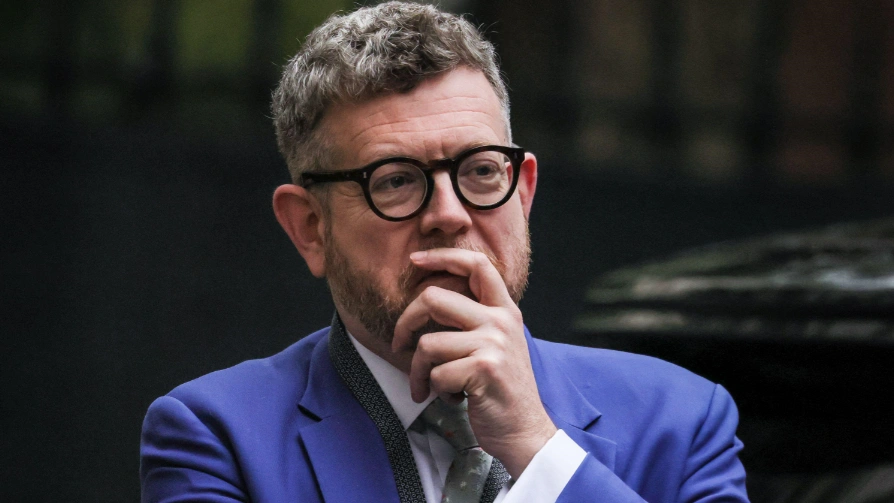
A senior former civil servant has told MPs that officials in Downing Street pushed for a diplomatic position to be found for a senior aide to Prime Minister Keir Starmer without informing the then foreign secretary. Olly Robbins made the claim while giving evidence to a parliamentary committee, raising fresh questions about transparency and internal processes within government appointments. The testimony has drawn attention to how political influence may intersect with diplomatic roles at a senior level.
Robbins told lawmakers that he had multiple discussions with officials linked to Number 10 regarding a potential overseas role for Matthew Doyle, who served as a key communications figure. According to his account, he was specifically asked not to inform David Lammy about the proposal at the time. The claim suggests that the usual chain of communication within the Foreign Office may have been bypassed, prompting concerns about how such decisions are handled at the highest levels of government.
The evidence was presented during a session of the Foreign Affairs Select Committee, where Robbins was questioned as part of a broader review into diplomatic appointments. He described the request as part of wider pressure from senior figures in government to secure roles for politically connected individuals within the diplomatic service. The remarks have added to ongoing scrutiny over how appointments are made and whether established procedures are consistently followed.
The issue has gained further attention due to subsequent developments involving Matthew Doyle, who was later suspended as a Labour peer after separate concerns emerged. While those matters are not directly linked to the appointment discussions, they have intensified interest in the original decision making process and the level of oversight applied. The situation highlights the sensitivity surrounding senior appointments, particularly when political and diplomatic considerations overlap.
The testimony is expected to contribute to continued examination by MPs into the workings of government departments and the influence of senior officials in key decisions. As the committee reviews the evidence, questions remain about accountability, communication, and the safeguards in place to ensure proper governance. The developments are likely to remain under close observation as political debate continues around transparency in public appointments.