News
EU signals openness as France says UK could rejoin single market if it chooses

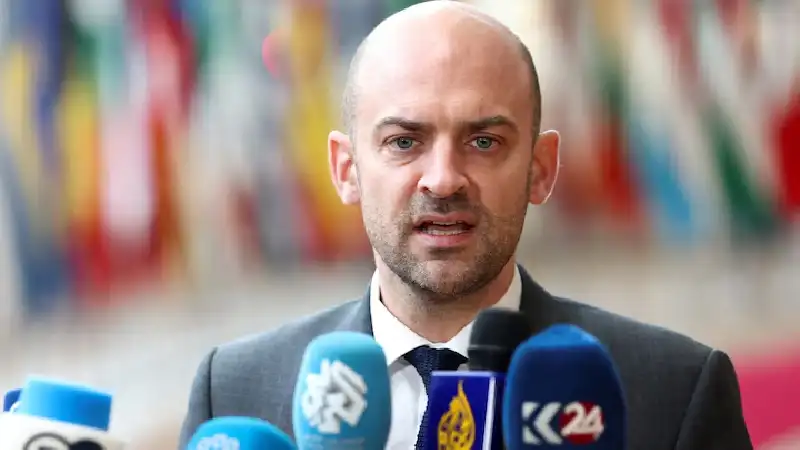
The European Union would welcome the United Kingdom back into its single market if it decided to return, according to France’s foreign minister, as discussions around rebuilding post Brexit relations continue to evolve. The remarks come at a time when the UK government has been exploring ways to strengthen economic ties with the bloc, particularly through closer regulatory alignment. While there is no formal proposal to rejoin, the comments highlight a shifting tone in Europe as both sides consider how cooperation could be expanded in a changing economic environment.
Speaking during a joint appearance with Germany’s foreign minister, the French official suggested that the door remains open for Britain if it is prepared to accept the responsibilities that come with membership of the single market. He pointed to recent signals from the UK government about aligning with European business standards and revisiting aspects of trade cooperation. The suggestion reflects growing interest within some European circles in restoring deeper economic integration, particularly as global trade dynamics become more complex.
The UK government has acknowledged the economic challenges linked to its departure from the European Union, with senior officials noting the need to improve growth and competitiveness. Recent statements from the finance ministry indicate a willingness to consider closer alignment with EU regulations in certain areas, especially those affecting trade and investment. However, the government has maintained that it does not intend to rejoin the single market or enter a customs union, balancing economic considerations with political commitments made after Brexit.
The debate highlights the broader question of how the UK positions itself in relation to Europe in the years ahead. While Brexit formally ended membership of the single market, economic ties between the UK and EU remain significant, with businesses on both sides continuing to depend on cross border trade. Any move toward greater alignment could ease regulatory barriers and support economic activity, but it would also involve navigating complex political sensitivities and public opinion.
European leaders appear to be signalling flexibility as they respond to evolving geopolitical and economic pressures. The offer of renewed cooperation is framed within the context of shared interests, including economic stability, security and trade resilience. At the same time, officials have made clear that any return to the single market would require full acceptance of its rules and obligations, including regulatory oversight and market access conditions that were central to previous negotiations.
For now, the UK government continues to focus on a gradual reset of relations rather than a fundamental shift in its post Brexit framework. Discussions around alignment and cooperation are expected to continue, particularly as both sides seek to strengthen economic performance in a period marked by global uncertainty. The conversation is likely to remain a key issue in political and economic debates, with potential implications for trade policy, business confidence and the future direction of UK Europe relations.