Business
UK Court Rejects Legal Challenge Over Britain’s Chagos Islands Agreement With Mauritius

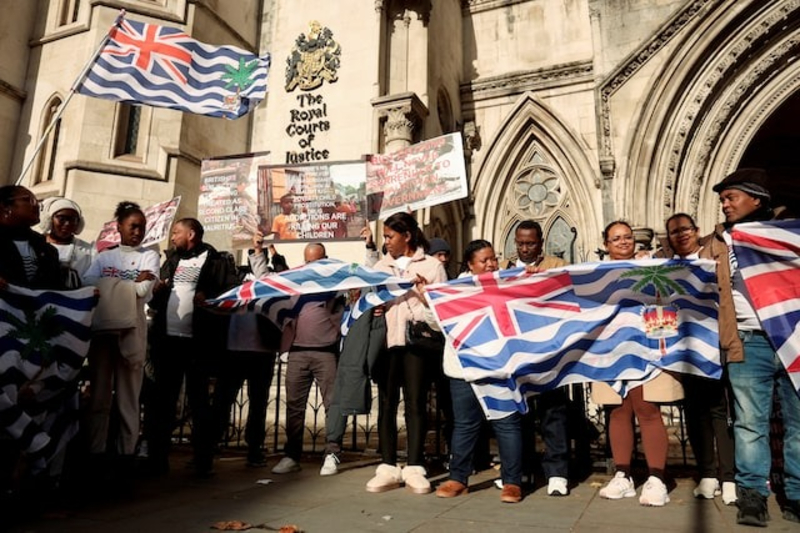
A court in London has refused permission for a legal challenge against the United Kingdom’s agreement to transfer sovereignty of the Chagos Islands to Mauritius, marking the latest development in a long running dispute over the Indian Ocean territory. The High Court decision means the case will not proceed at this stage, although the claimants involved have indicated they intend to appeal. The agreement between Britain and Mauritius concerns the future control of the archipelago while preserving the operation of the strategic Diego Garcia military base, which has long been used by both British and United States forces for defence operations.
The legal challenge was brought by three claimants including Bertrice Pompe, a British citizen who was born on Diego Garcia and whose family was among those displaced from the islands decades ago. The case argued that the British government had failed to properly consult members of the Chagossian community before reaching its agreement with Mauritius. Lawyers representing the claimants said the lack of consultation meant the decision was unlawful and did not adequately consider the rights and interests of people originally from the islands. The agreement signed last year would see sovereignty transferred to Mauritius while allowing Britain to retain control of the military base on Diego Garcia under a ninety nine year lease arrangement.
In her written ruling, Judge Mary Stacey acknowledged the complicated and painful history surrounding the Chagos Islands and the treatment of its original inhabitants. Many Chagossians were removed from the territory during the nineteen sixties and seventies to allow for the construction of military facilities on Diego Garcia. However, the judge concluded that the legal arguments presented in the new case largely repeated claims that had already been examined and rejected in earlier litigation concerning the islands. As a result, the court determined that the challenge did not have sufficient grounds to proceed further through the judicial review process.
The Chagos Islands issue has remained politically sensitive for decades due to the displacement of island residents and ongoing debates over sovereignty and international law. Britain administered the territory as part of the British Indian Ocean Territory, but Mauritius has long argued that the islands should be returned as part of its national territory following independence from Britain. In recent years international courts and organisations have increasingly supported Mauritius’ claim that the archipelago should be handed over, adding pressure on the British government to negotiate a settlement that recognises those legal and diplomatic concerns.
Under the terms of the agreement announced last year, Britain agreed to transfer sovereignty of the Chagos Islands to Mauritius while maintaining the joint United States and United Kingdom military facility on Diego Garcia through a long term lease arrangement. The base remains strategically important for defence operations in the Indo Pacific region and has been used for decades by allied forces. British officials have argued that the agreement strikes a balance between recognising Mauritius’ claim to the islands while protecting the security interests associated with the base and maintaining international defence cooperation.
The agreement has also drawn attention internationally because of its wider geopolitical implications. Some political figures have questioned whether transferring sovereignty could affect long term security arrangements in the region. Others argue that resolving the sovereignty dispute helps Britain comply with international legal rulings and improve diplomatic relations with Mauritius and other countries. British Prime Minister Keir Starmer has defended the deal, saying the government’s decisions were guided by legal obligations and national interests while also seeking to secure the future operation of the important military facility.
Lawyers representing the claimants said they intend to challenge the High Court’s decision by seeking permission to appeal at a higher court. The move could allow the dispute to continue through the legal system as campaigners push for greater recognition of the rights of Chagossians and their role in decisions about the islands’ future. The ruling nevertheless represents a significant moment in the ongoing legal and political debate surrounding the Chagos Islands agreement and the complex historical legacy tied to the territory.