Business
Wizz Air UK receives approval to operate charter flights between Britain and the United States

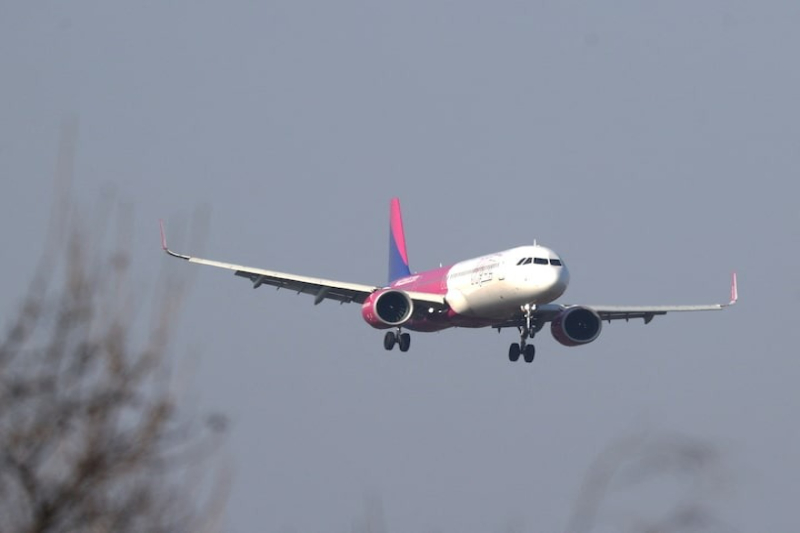
Wizz Air UK has received regulatory approval to operate charter flights between the United Kingdom and the United States, marking an important development for the low cost airline as it expands its operational capabilities. The permit allows the airline to run charter services across the Atlantic, although the company has clarified that it currently has no plans to launch regular scheduled commercial flights between the two countries. The approval from United States aviation authorities provides the airline with greater flexibility to serve special travel demand, particularly for large group travel related to sporting events, tourism and organized tours.
The airline confirmed that its UK division applied earlier this year for a foreign air carrier permit from the United States Department of Transportation. The authorization enables the carrier to operate charter flights carrying passengers or cargo between the United Kingdom and destinations in the United States. Company officials said the immediate focus will be on charter operations linked to major events and group travel demand rather than entering the highly competitive transatlantic commercial flight market. The new permit allows the airline to explore opportunities that previously required partnerships with other carriers or charter operators.
One of the first areas expected to benefit from the new approval is international sports travel. Wizz Air said the charter services will support European football teams and supporters traveling to North America for upcoming global tournaments. The airline also plans to work with tour operators that organize large group trips to the United States. The upcoming football World Cup scheduled to take place across North America is expected to drive a surge in international travel demand, with matches being hosted in multiple cities across the United States. Airlines are preparing to accommodate thousands of supporters traveling from Europe to attend the tournament.
Industry analysts say charter flights provide airlines with an opportunity to capture niche travel demand without committing to permanent route networks. Operating scheduled transatlantic flights requires large aircraft, significant infrastructure and intense competition from established carriers. Charter services offer greater flexibility by allowing airlines to operate flights only when demand is guaranteed. This approach is particularly useful for large sporting events, conferences or tourism programs where travel is organized in advance for large groups of passengers.
The approval comes at a challenging time for the global aviation industry as geopolitical tensions continue to influence travel markets. Airline stocks across Europe have faced pressure as rising fuel costs and security concerns linked to conflict in the Middle East weigh on the sector. Wizz Air recently warned that the ongoing regional tensions could affect its financial performance in the current fiscal year due to higher operating costs and disruptions within certain travel corridors. The airline estimated that the conflict could reduce its net profit by tens of millions of euros during the financial year.
Despite these pressures, airlines remain optimistic about long term demand for transatlantic travel. Tourism between Europe and North America is expected to strengthen as global travel continues recovering from earlier disruptions in the aviation sector. Major events such as international sporting tournaments often drive significant increases in flight demand and hotel bookings across host cities. Airlines and travel companies are preparing for a surge in passengers as millions of fans are expected to travel across the Atlantic to attend matches and related events.
The charter permit also strengthens Wizz Air’s strategic flexibility as it continues expanding its international operations. The airline has built a strong reputation within the European low cost market and has gradually explored opportunities beyond its traditional regional routes. By securing authorization to operate flights to the United States, the company now has the option to participate in special travel demand linked to tourism and global events without committing to permanent long haul services.