Business
FTSE 100 Reaches Record High as Weak Jobs Data Boosts Rate Cut Hopes

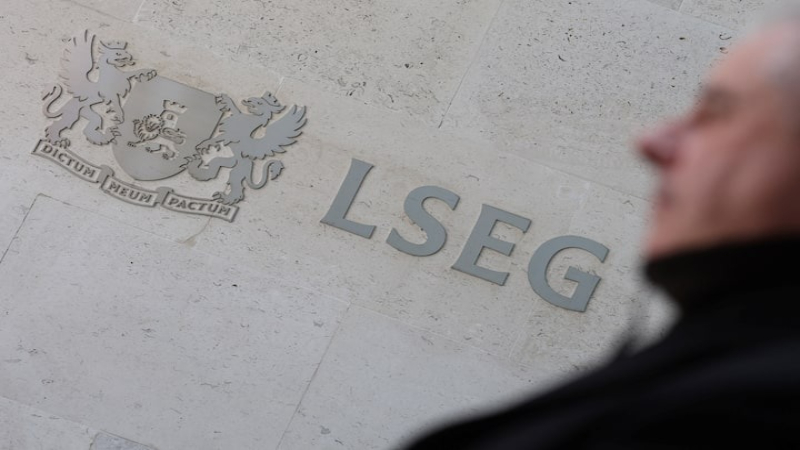
London’s benchmark FTSE 100 index closed at a fresh record on Tuesday as softer labour market data strengthened expectations that the Bank of England could begin cutting interest rates in the coming months. The blue chip index rose 0.8 percent to finish at 10,556.17 points, marking its highest level on record, while the domestically focused FTSE 250 also gained 0.8 percent, reaching a four year high.
Investor sentiment was lifted after official figures showed Britain’s unemployment rate climbed to 5.2 percent in the three months to December, its highest level outside the pandemic period in more than a decade. At the same time, wage growth slowed, reinforcing the view that inflationary pressures from the labour market are easing.
The weaker employment data prompted markets to increase bets on monetary easing. Traders are now pricing in a strong likelihood of a quarter point interest rate cut at the Bank of England’s March meeting. Sterling fell around 0.6 percent against the dollar earlier in the session as expectations for lower borrowing costs gained traction.
Market analysts said the prospect of lower rates is providing support for equities, particularly large international companies that dominate the FTSE 100. A potential shift in policy could help ease financial conditions and support economic growth, even as broader activity remains subdued.
Technology stocks were among the strongest performers, rising more than 2 percent as global markets stabilised following recent volatility linked to artificial intelligence related trading swings. Shares in information and analytics groups saw solid gains, helping to drive the broader index higher.
In contrast, mining stocks faced pressure as metal prices weakened. Antofagasta reported a significant increase in annual core profit, reflecting strong operational performance, but its shares fell more than 3 percent as copper prices slipped. Precious metal miners also declined, tracking softer demand for safe haven assets.
Defence stocks moved lower after signs of easing geopolitical tensions between the United States and Iran reduced demand for companies tied to military spending. The shift in sentiment led to selling across parts of the sector that had previously benefited from global uncertainty.
Corporate updates also influenced trading. Plus500 dropped more than 5 percent after the online trading platform disclosed that senior executives planned to sell shares. Meanwhile, InterContinental Hotels Group advanced after reporting fourth quarter revenue per available room above market expectations, signalling continued resilience in travel demand.
Investors are now turning their attention to upcoming inflation data, which could provide further direction for the Bank of England’s policy outlook. If price pressures continue to moderate alongside softer employment trends, markets expect policymakers to begin easing rates before the summer.