News
Starmer Defiant as Pressure Mounts Over Ambassador Choice and Party Dissent

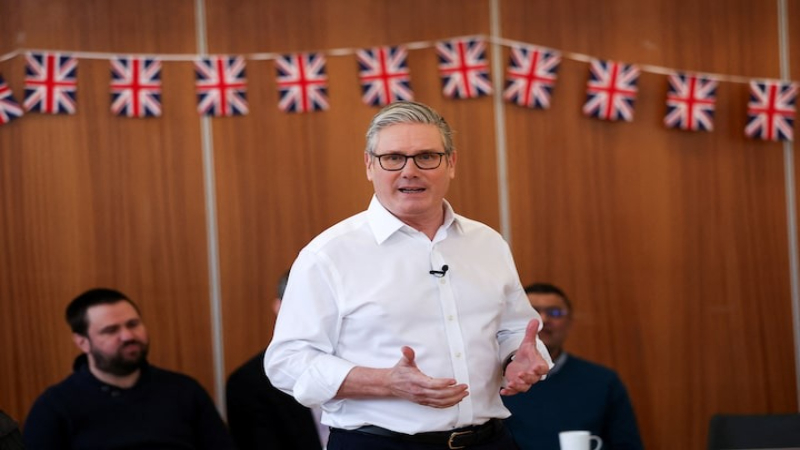
British Prime Minister Keir Starmer has vowed to remain in office despite facing one of the most testing moments of his leadership, as questions over judgement and growing unease within his party triggered a turbulent political day in London. Speaking during a visit to a community centre in southern England, Starmer struck a determined tone, insisting he would not abandon the responsibility he believes voters placed on him to reshape Britain.
The pressure intensified following criticism of his decision to appoint Peter Mandelson as ambassador to the United States. The move sparked controversy after renewed scrutiny of Mandelson’s past association with the late financier Jeffrey Epstein, prompting renewed debate over standards, transparency, and political accountability at the highest level of government. While Starmer has repeatedly rejected claims that the appointment reflected poor judgement, the issue has become a focal point for internal dissent.
That dissent reached a peak when the Labour leader in Scotland publicly urged Starmer to step aside, marking the most direct challenge to his authority since taking office. The call followed the departure of a second aide in as many days, fuelling speculation about instability inside Downing Street. Critics within the wider Labour movement questioned whether the controversy risked undermining public trust at a time when the government is attempting to project competence and unity.
In response, Starmer sought to redirect attention toward what he described as the real political threat facing the country, warning against the rise of Reform UK and its message of division and grievance. He urged colleagues to focus on delivering tangible improvements in living standards rather than engaging in internal conflict that could weaken the party’s position nationally.
Despite the turbulence, Starmer received crucial backing from senior figures across the party. Members of his cabinet rallied behind him, while several potential leadership rivals moved quickly to signal their support. Among them was former deputy prime minister Angela Rayner, whose endorsement was seen as particularly significant in calming speculation about an imminent leadership contest.
Further reinforcement came from Greater Manchester mayor Andy Burnham, who publicly confirmed his support and called for renewed unity across the Labour movement. Burnham argued that the government’s priority must now be accelerating the pace of reform and maintaining focus on economic and social challenges facing communities across Britain.
Behind the scenes, the controversy surrounding Mandelson has deepened following the emergence of documents linked to historical communications during the global financial crisis, which have prompted a police investigation into alleged misconduct in office. Mandelson has not commented publicly on the matter. For Starmer, the coming weeks are likely to test his ability to steady his party, restore confidence, and keep attention fixed on his policy agenda amid an unforgiving political spotlight.