Business
Pound Weakens as Political Turmoil and Rate Cut Expectations Rattle Markets

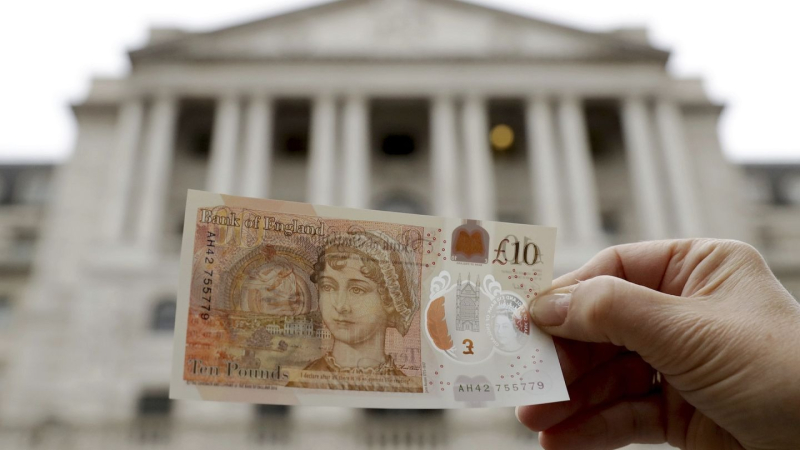
The British pound slipped against both the euro and the US dollar as investors reacted to mounting political uncertainty in the United Kingdom and growing expectations that interest rates could be cut later this year. The move reflects a combination of short term political stress and shifting views on monetary policy, two forces that have traditionally weighed heavily on sterling.
Markets were unsettled by pressure facing Prime Minister Keir Starmer following controversy around a senior diplomatic appointment and the sudden resignation of his chief of staff. The episode has raised questions about leadership stability at a sensitive moment for the government, with local elections approaching and internal scrutiny intensifying. Currency traders tend to react quickly to signs of political fragility, particularly when it coincides with uncertainty over fiscal and economic direction.
Against the euro, the pound fell to its weakest level in around two weeks, reversing some of its earlier resilience this year. Sterling also edged lower against the dollar after an early dip in trading, reflecting cautious sentiment rather than panic selling. While the moves were modest in absolute terms, analysts noted that they were meaningful given the relatively calm conditions seen in global currency markets in recent sessions.
UK government bonds also lagged slightly behind their European counterparts, suggesting that investors were reassessing risk across British assets more broadly. Although the reaction in bond markets was restrained, some investors remain wary that political change could bring shifts in spending priorities and fiscal strategy, adding another layer of uncertainty for markets to digest.
Beyond politics, expectations around interest rates are playing an increasingly important role in shaping sterling’s outlook. The Bank of England recently opted to hold rates in a closely split decision, a result that surprised some investors and prompted traders to increase bets on multiple rate cuts before the end of the year. Lower interest rates tend to reduce the appeal of a currency by narrowing the returns available to investors.
In contrast, the European Central Bank is widely expected to keep rates steady for longer, strengthening the relative attraction of the euro against the pound. This divergence in policy outlook has become a key driver of recent currency movements, with traders positioning for further downside pressure on sterling if economic data continues to soften.
Options markets are also reflecting the shift in sentiment. Demand for protection against further pound weakness has risen, indicating that investors are increasingly hedging against the risk of additional declines in the weeks ahead. Such positioning suggests that confidence in a quick rebound remains limited.
Looking ahead, analysts say sterling’s direction will depend on whether political tensions ease and whether economic data can challenge expectations of aggressive rate cuts. Until there is greater clarity on both fronts, the pound is likely to remain vulnerable to negative headlines and cautious investor positioning.