Politics
Starmer Defends China Trade After Trump Warning

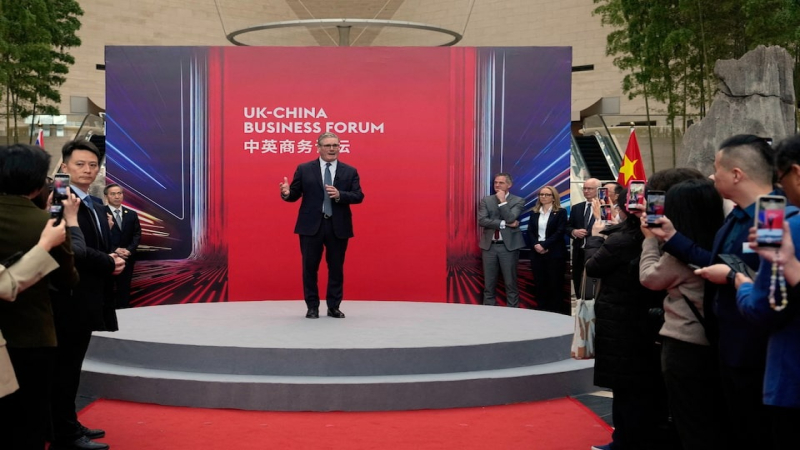
Prime Minister Keir Starmer said Britain cannot afford to ignore China, pushing back against criticism from U.S. President Donald Trump over London’s renewed trade engagement with Beijing. Speaking during a visit to China, Starmer argued that disengaging from the world’s second-largest economy would be against the UK’s national interest, particularly as other major European countries continue to deepen economic ties. His comments followed Trump’s warning that it was dangerous for Britain to pursue business opportunities with China, a remark that added strain to an already delicate transatlantic balance. Starmer stressed that maintaining a close relationship with Washington did not require Britain to turn away from Beijing, describing engagement as a matter of economic realism rather than political alignment. The visit marked a clear signal that the UK intends to pursue a more pragmatic foreign trade strategy amid shifting global power dynamics.
During talks with Chinese President Xi Jinping, both sides signalled a reset in relations after years of tension. The discussions resulted in China agreeing to cut tariffs on British whisky and ease visa restrictions, while Britain reported progress on market access for professional services firms. Starmer said the outcomes would deliver tangible benefits for the UK economy, particularly at a time when growth has remained sluggish since his Labour government took office. A large UK business delegation accompanied the prime minister, underscoring the commercial focus of the trip. Officials said the agreements reflected growing confidence among British companies looking to expand in China, even as geopolitical risks remain. Starmer described the visit as a success, saying engagement was essential to securing jobs, investment and long-term competitiveness back home.
The trade push drew a sharp response from Trump, who questioned the wisdom of closer UK-China ties without offering detailed justification. Starmer said Washington had been informed of his visit and emphasised that the UK-U.S. relationship remained strong. He rejected the idea that Britain must choose between the two powers, pointing to substantial American investment commitments made during Trump’s earlier visit to the UK. The prime minister has recently shown greater willingness to challenge Trump publicly, breaking from his earlier cautious approach. That shift reflects broader concern in London over the unpredictability of U.S. trade policy and the potential impact of tariffs and diplomatic pressure on allies that engage with China.
Economic ties featured prominently in the visit, including a major investment commitment by pharmaceutical group AstraZeneca, which pledged billions of dollars to expand operations in China. Chinese firms also outlined plans for new projects in Britain, including research and development activity in northern England. Starmer said such deals demonstrated the mutual benefits of engagement and helped diversify Britain’s economic partnerships in a volatile global environment. He also confirmed progress on resolving diplomatic disputes, including the lifting of travel restrictions on some British lawmakers. The visit highlighted a strategic recalibration in UK foreign policy, with London seeking to balance security concerns, economic opportunity and alliance management as global competition intensifies.