Business
Diplomats Owe £165m in Unpaid London Congestion Charges

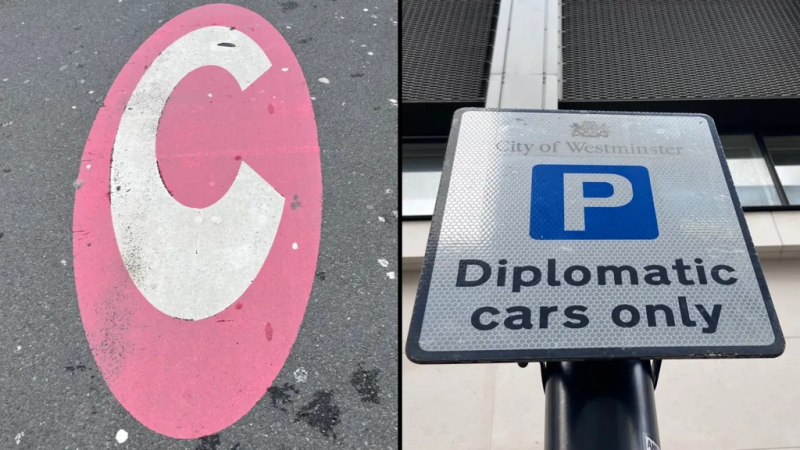
Unpaid congestion charges linked to diplomatic vehicles in London have reached £165m, according to newly released figures, reopening a long-running dispute over road charging and diplomatic exemptions in the capital. The data shows outstanding payments accumulated since the congestion charge was introduced more than two decades ago, with debts continuing to rise year after year. Transport authorities say the charges apply to all vehicles entering the zone, including those used by foreign missions, yet enforcement remains limited due to diplomatic protections. The growing unpaid total has drawn renewed attention as the cost of driving in central London has increased again, intensifying debate around fairness, compliance, and the financial burden placed on ordinary motorists who must pay the charge or face penalties.
The figures reveal that the largest unpaid amounts are associated with several major embassies based in London. The United States holds the highest outstanding balance at nearly £16m, followed by China, Japan and India, each owing more than £10m. At the other end of the scale, a small number of diplomatic missions owe less than £200, highlighting sharp differences in approach and compliance. Records also show that some embassies have paid tens of thousands of daily charges over the years while still carrying residual debts. Others have purchased very few passes despite frequent journeys through the charging zone, adding to claims that the system is applied unevenly.
Drivers entering central London during charging hours are required to pay a daily fee, with higher penalties issued if payment is missed. Transport officials maintain that foreign diplomats and consular staff are not exempt under UK regulations, despite objections from some embassies who argue the charge amounts to a tax. This disagreement has persisted for years, contributing to the steady accumulation of unpaid charges. While the congestion scheme was designed to reduce traffic, cut pollution and improve journey times, critics say unresolved diplomatic debts undermine public confidence and weaken the credibility of the policy at a time when residents and businesses face rising travel costs.
Transport authorities say they continue to pursue unpaid charges and encourage embassies to settle outstanding balances, although options for enforcement remain limited. The issue has resurfaced as congestion pricing becomes a more prominent tool in managing London’s transport network and environmental goals. Campaigners argue that resolving the diplomatic dispute would reinforce the principle that all road users share responsibility for reducing congestion. Others say the standoff reflects wider tensions between international conventions and local governance. For now, the £165m figure stands as a visible reminder of an unresolved issue at the heart of London’s traffic policy and its relationship with the global diplomatic community.