
Business
HS2 Archaeology Finds Stored in Secret Warehouse

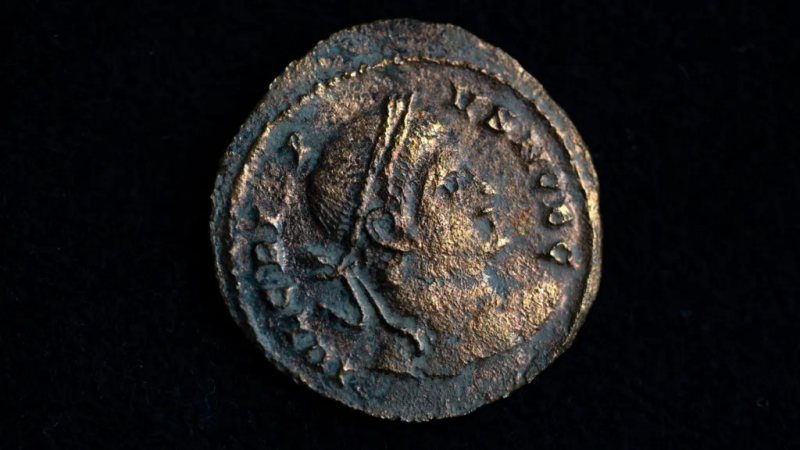
Hundreds of thousands of historic objects uncovered during construction works along the HS2 rail route are now being stored in a secure warehouse, marking one of the largest archaeological collections ever assembled from a single UK infrastructure project. The collection includes around 450,000 items recovered during extensive digs carried out ahead of rail construction between London and Birmingham. Archaeologists working on the project say the discoveries span thousands of years of British history, from prehistoric tools to Roman artefacts and objects from the industrial age. The items are currently packed into more than 7,000 boxes and kept at an undisclosed location for security reasons. Specialists involved in the project describe the scale of the archive as unprecedented, offering a rare opportunity to study long-term human activity across multiple regions affected by one of the country’s most ambitious transport developments.
Excavation work began in 2018 and involved close to 1,000 archaeologists across around 60 separate sites along the planned HS2 route. Although the railway itself has faced repeated delays and is not expected to open until well into the next decade, most of the field archaeology is now complete. Among the most notable discoveries are a possible Roman gladiator-related bone tag, a finely worked hand axe believed to be more than 40,000 years old, and unusual personal items such as 19th century gold dentures. Archaeologists say many of the finds came from burial sites, former settlements and long-lost villages, revealing how people lived, worked and died across changing landscapes. Each object is now undergoing detailed cataloguing and conservation to prepare it for long-term study.
Inside the warehouse, shelves of palletised boxes hold artefacts that range from everyday domestic items to rare ceremonial pieces. Some discoveries, including Roman statue fragments and medieval jewellery, are described as museum-quality finds, while others offer insight into ordinary lives often missing from historical records. Experts say the collection also captures moments of personal history, with items such as children’s toys, household tools and even coffins recovered from former churchyards. While a small number of objects have already been displayed in local exhibitions, the majority remain unseen by the public. Decisions about ownership and future display are still being discussed, as English property law means artefacts may belong either to the state or to individual landowners along the route.
The discoveries have added a new dimension to the debate surrounding HS2, a project that has drawn criticism over cost overruns, environmental damage and community disruption. Supporters of the archaeological work argue that the findings represent a lasting cultural benefit, ensuring valuable heritage was recorded rather than lost during construction. Archaeologists involved in the project say the material will support research for decades, helping to explain how landscapes have changed over time and how communities adapted to those changes. Plans are under way for further conservation work and potential museum donations, with the aim of making more of the collection accessible to the public in the future as research progresses.



