
Sports
Premier League Enters Fixture Congestion Mode as Fans Lose Track of What Day It Is

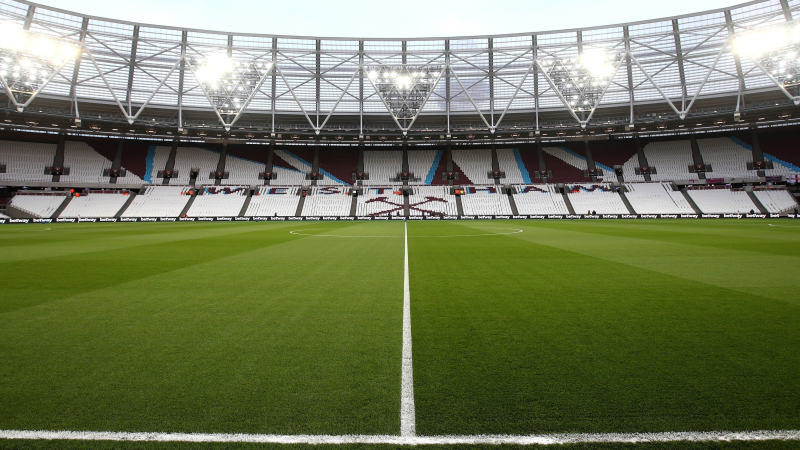
January football in England always arrives with a sense of overload, but this season it feels particularly relentless. Matches stack up midweek and weekends blur together, leaving fans checking calendars before kickoff. For clubs and supporters alike, the Premier League has entered full congestion mode, where recovery time is limited and context often disappears.
The intensity has not reduced interest. If anything, packed schedules have increased engagement, with storylines shifting every few days. Yet beneath the constant action sits a growing question about sustainability. The league continues to expand its commercial reach, but the calendar is becoming harder to defend.
Fixture congestion becomes the defining storyline
The most important issue dominating the current phase of the season is scheduling. Domestic league matches, cup competitions, and European fixtures are compressed into narrow windows, leaving little margin for rest or rotation. Clubs competing on multiple fronts are particularly affected.
Players are managing workloads that would have been considered excessive a decade ago. While sports science has improved, physical limits remain. Injuries are rising, rotations are becoming tactical necessities rather than strategic choices, and managers are increasingly vocal about strain.
For fans, the congestion delivers constant entertainment, but it also reduces anticipation. When matches arrive every few days, moments blur and narratives struggle to breathe.
Squad depth separates contenders from survivors
In this environment, squad depth has become one of the clearest competitive advantages. Clubs with financial strength and deeper benches can rotate without dramatic drops in performance. Others are forced to rely on fatigued starters, increasing risk as the season progresses.
This imbalance reinforces broader debates about competitive fairness. Wealthier clubs absorb congestion more easily, while smaller squads face sharper trade offs between league form and cup ambitions.
The result is a table shaped not just by tactics, but by resilience and resources.
VAR debates refuse to fade
Alongside scheduling pressure, VAR continues to influence matchday conversation. Decisions made under intense scrutiny often feel amplified during congested periods, when points gained or lost quickly reshape standings.
While technology aims to improve fairness, frustration persists among supporters who feel momentum and emotion are being interrupted too frequently. Officials face pressure to balance accuracy with flow, a challenge that remains unresolved.
During busy stretches, consistency matters more than perfection, and that balance is still elusive.
Fans adapt to football overload
Supporters have adjusted in subtle ways. Attendance remains strong, but viewing habits are shifting. Some matches become background viewing, while key fixtures regain focus. Social media plays a larger role in filtering significance, turning highlights into substitutes for full matches.
This adaptation reflects modern consumption patterns rather than declining interest. Football remains central, but attention is rationed across an increasingly dense schedule.
For London clubs in particular, overlapping fixtures have turned matchweeks into continuous cycles rather than events.
Conclusion
The Premier League thrives on intensity, and fixture congestion amplifies that identity. Momentum builds quickly, collapses just as fast, and narratives reset before settling. This keeps the league compelling, but it also tests its limits.
As the season moves deeper into its busiest phase, the challenge will be maintaining quality without sacrificing player welfare or fan experience. For now, the matches keep coming, the calendar keeps spinning, and everyone involved is trying to keep up.



