Business
Evoke Shares Fall as William Hill Owner Withholds Forecast Amid Sale Review

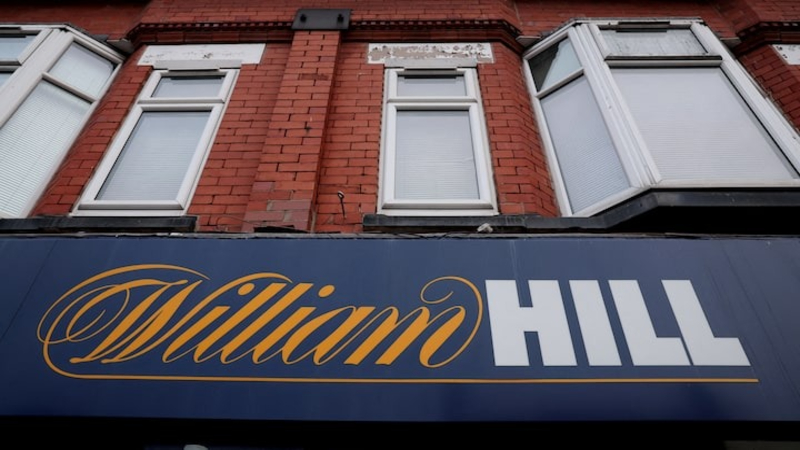
Shares in Evoke fell sharply after the UK gambling group declined to provide a financial outlook while it reviews strategic options, including a potential sale. The company, which owns William Hill in the UK, said revenue for the past year would come in below market expectations, adding to investor concerns already heightened by recent tax changes affecting the gambling sector. Evoke said it expects annual revenue of around £1.79 billion, slightly lower than analysts had forecast, although profits are still expected to land broadly in line with market estimates. The absence of guidance for the year ahead unsettled markets, with investors left uncertain about how the business will perform under a tougher regulatory and fiscal environment. The announcement prompted a sell off in early trading, extending losses that have already weighed heavily on the stock since the autumn budget.
The company launched a strategic review late last year after higher taxes on online betting and gaming were introduced, increasing pressure on margins across the sector. As part of its response, Evoke has pulled back from medium term targets and begun cutting costs, including the closure of retail betting shops it says are no longer viable. Management said it had acted quickly to soften the impact of the tax changes, but acknowledged that a refreshed strategy would only be shared once the review is complete. Analysts said the decision to withhold forward guidance reflects uncertainty around the outcome of the review and the company’s debt position. Since the budget, Evoke’s shares have lost more than a third of their value, underlining the scale of investor unease.
Despite the cautious tone, Evoke said its core profit performance remains resilient, with adjusted earnings expected to meet current market expectations. Fourth quarter revenue slipped slightly, reflecting tougher comparisons with the previous year when sports betting conditions were more favourable to operators. The company said it would publish full year results at a later date, offering no timeline. Investors are now focused on whether the strategic review leads to asset sales, a takeover or a revised business model better suited to a higher tax environment. With regulatory pressure rising and competition intense, the coming months are likely to be decisive for the future direction of one of Britain’s best known betting brands.