Latest News
Court Urged to Curb Police Facial Recognition Use

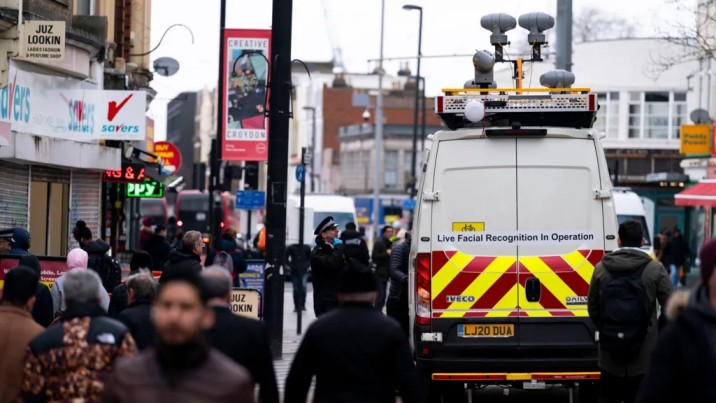
Police use of live facial recognition technology in London must be tightly restricted or residents will face constant biometric surveillance while going about daily life, the High Court has been told. The challenge centres on the Metropolitan Police’s expanding use of live facial recognition in public spaces, including busy areas of south London and central shopping districts. Campaigners argue that without firm legal limits, the technology risks becoming a routine feature of travel across the capital, scanning faces regardless of suspicion. The case was brought by two individuals who say the rapid rollout of the system lacks sufficient safeguards and oversight. They claim the technology poses risks of arbitrary decision making and discriminatory outcomes, particularly for minority communities. The hearing comes amid wider political debate, as government plans move forward to expand facial recognition capabilities across police forces nationally, even while consultation on the policy remains ongoing.
During the hearing, the court was told that the scale of live facial recognition use has increased sharply in recent years. Lawyers representing the claimants said deployments have grown exponentially, with hundreds of operations carried out in a single year and millions of faces scanned in crowded public areas. On one day alone, tens of thousands of people were scanned within a few hours in central London. The technology works by converting facial features into coded biometric data and comparing them against police watchlists. Campaigners warned that the installation of permanent cameras on buildings and street furniture marked a significant shift, moving the system from temporary trials toward everyday infrastructure. They argued that without strict boundaries on location and purpose, ordinary movement across the city could soon involve routine biometric processing.
Police representatives defended the use of facial recognition as a necessary tool to locate wanted individuals in a densely populated city. The court heard that officers are searching for large numbers of suspects and that traditional methods often fail to identify people in busy environments. Live facial recognition was described as a way to narrow searches and support frontline policing by highlighting matches that might otherwise go unnoticed. Police lawyers said arrests made using the technology demonstrate its effectiveness and insisted that privacy intrusion is limited. They argued that data from members of the public who are not on watchlists is deleted almost instantly and never retained. The judges are expected to consider whether current controls strike an appropriate balance between public safety and individual privacy before issuing a ruling at a later date.