
Latest News
Historic Oak Felling Puts North London Restaurant Lease at Risk

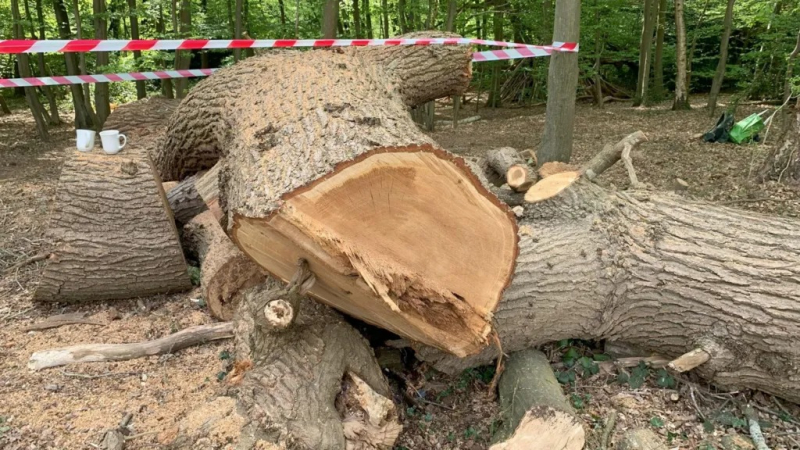
A Toby Carvery restaurant in north London is facing possible eviction after part of an ancient oak tree was felled on land owned by the local authority, triggering anger among residents and action from the council. The incident took place at Whitewebbs Park in Enfield, where council officers discovered the remains of the oak, believed to be around 500 years old, including its trunk and severed branches. The tree stood close to the restaurant site and was a well known feature of the park, with locals describing its loss as devastating. The felling has been described by officials as a reckless act that caused irreversible damage to an irreplaceable part of the area’s natural heritage. The case has drawn significant attention across London, highlighting tensions between commercial operations and environmental protection in public spaces.
Enfield Council said the oak was cut down without its knowledge or consent, in direct breach of the lease governing the restaurant’s occupation of the site. Council leaders said the operator had failed to meaningfully engage following the incident or take steps to repair the harm caused. The tree, sometimes referred to locally as the Guy Fawkes Oak, was considered an irreplaceable landmark with centuries of life still expected. Senior council figures said the destruction shocked and angered the community and undermined trust in how the site was being managed. As a result, the council has begun formal proceedings to remove the restaurant’s operator from the location, arguing that serious lease violations had taken place and accountability was required to uphold environmental responsibilities.
The restaurant is operated by Mitchells & Butlers under the Toby Carvery brand, which has declined to comment further due to ongoing legal proceedings. Previously, the company issued an apology, saying the decision to fell the tree was not taken lightly. However, council leaders have called for a public apology, financial reparations for the damage, and compensation to cover the significant costs incurred by the authority. They said the case goes beyond a single tree and reflects a wider duty to protect shared heritage and green spaces for future generations. Local residents and environmental groups continue to watch developments closely as the dispute unfolds, with the outcome likely to influence how similar sites are managed across the capital and how seriously ancient trees are safeguarded in urban environments.



