
Politics
UK Politicians Promise Growth Again, Pound Reacts With Emotional Detachment

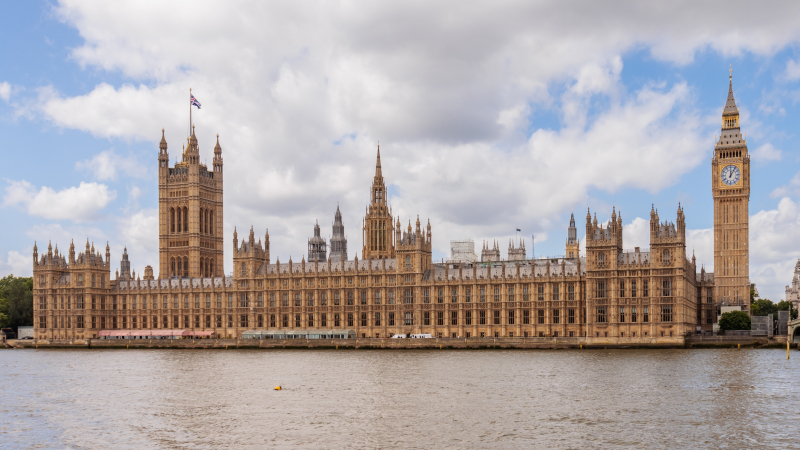
Growth has returned to the political vocabulary in Britain with renewed enthusiasm. Speeches, policy outlines, and forward looking statements continue to frame economic expansion as both inevitable and imminent. Yet outside Westminster, the reaction is noticeably muted. For many observers, the language feels familiar, almost routine, rather than transformative.
Markets reflected that mood. The pound showed little movement following recent political messaging, signalling neither alarm nor excitement. This response was not dramatic or dismissive. It was indifferent. That indifference has become one of the most telling signals in the current UK economic conversation.
Markets Have Heard This Story Before
Investors are not reacting to words because they have heard similar ones repeatedly. Growth has been promised under different governments, fiscal frameworks, and leadership styles. Each time, the messaging follows a predictable pattern of ambition paired with delayed delivery. Markets now wait for execution rather than reacting to intent.
Currency traders tend to respond to clarity, timelines, and measurable shifts. In the absence of those elements, speeches are treated as background noise. The pound’s steadiness reflects familiarity rather than confidence. It suggests that political optimism alone no longer moves financial expectations.
Political Messaging Versus Economic Reality
There is a widening gap between how growth is discussed politically and how it is experienced economically. Official language often highlights long term potential, innovation, and competitiveness. Households and businesses, however, are focused on costs, margins, and short term stability. This disconnect weakens the impact of announcements.
When everyday economic pressure remains visible, future focused rhetoric struggles to land. Growth narratives compete with lived experience. That tension reduces credibility even when proposals are technically sound. The issue is not disbelief, but exhaustion.
Why the Pound Is Staying Calm
Currency markets dislike surprises, but they also dislike uncertainty without action. Recent political statements offered neither shock nor substance. As a result, the pound remained largely unmoved. This behaviour signals that markets are waiting for policy follow through rather than reacting to policy framing.
Calm does not mean approval. It means suspension of judgement. Traders appear to be reserving reaction for tangible signals such as legislation, budget adjustments, or structural reform milestones. Until then, neutrality prevails.
Voters and Investors Share a Similar Fatigue
Public sentiment mirrors market behaviour more than political messaging suggests. Voters have become cautious listeners. Repeated promises without visible progress encourage scepticism rather than outrage. People are not rejecting growth as a goal. They are questioning the pathway.
This shared fatigue between voters and investors creates an unusual alignment. Both groups want evidence before enthusiasm. In that environment, emotional detachment becomes a rational response rather than a cynical one.
The Risk of Overusing the Growth Narrative
Growth remains essential, but repetition without reinforcement carries risk. When the same language is reused too often, it loses persuasive power. Political communication becomes less effective, and market trust erodes gradually rather than dramatically.
Rebuilding credibility requires fewer slogans and more specifics. Clear sequencing, transparent trade offs, and measurable benchmarks would signal seriousness. Without those elements, even well intentioned plans struggle to regain attention.
Conclusion
The pound’s quiet response to renewed growth promises reflects a broader national mood. Britain is listening, but not reacting. Markets and voters alike are waiting for delivery rather than declarations. Until political ambition is matched with visible action, emotional detachment may remain the most honest response.



