Latest News
Rising Costs Push London Businesses Into Survival Mode

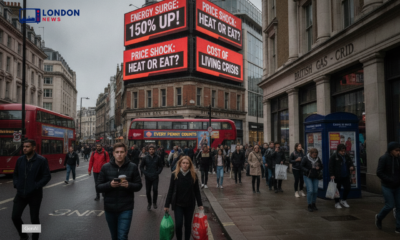
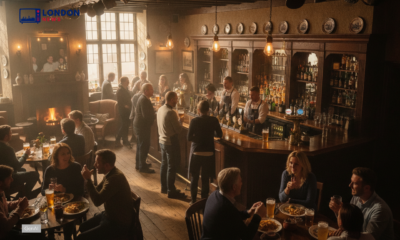
London businesses are warning that rising taxes and operating costs are pushing growth plans off the table, with many now focused purely on survival as financial pressures intensify. Hospitality operators across the capital say recent increases in employment taxes, business rates and wage costs are eroding already thin margins, forcing difficult decisions on investment and staffing. Restaurant owners report shelving expansion plans and delaying upgrades as profits are absorbed by higher fixed expenses. The impact is being felt most acutely in food, retail and leisure sectors, which rely heavily on footfall and discretionary spending. Business owners say that while demand has improved since the pandemic, it has not recovered enough to offset the pace of rising costs. As a result, London’s high streets face renewed uncertainty just as policymakers have pledged to revive economic growth.
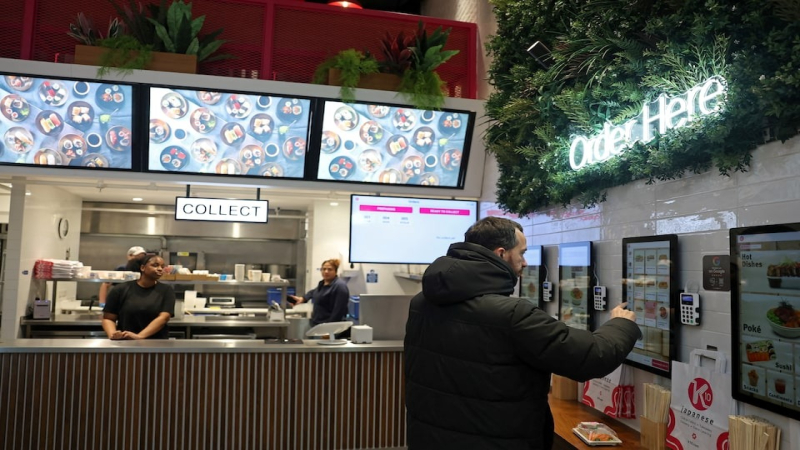
Industry figures point to a sharp rise in property related taxes as one of the most damaging factors for businesses operating in the capital. Business rates are due to increase from April, with some firms facing substantial hikes over the next few years. Combined with higher national insurance contributions and a rising minimum wage, employers say the cumulative effect has been to drain cash that would otherwise be used to invest or create jobs. Many operators have responded by cutting discretionary spending, renegotiating supplier contracts or reducing staff hours. Some businesses have invested in automation and self service technology to lower payroll costs, while others say they have little room left to adjust without closing locations. The pressure is particularly severe for independent operators, which lack the scale to absorb cost increases as easily as larger chains.
The warnings come despite repeated commitments from the government to support growth and rebuild confidence among employers. Prime Minister Keir Starmer’s administration has argued that higher taxes are necessary to stabilise public finances and fund services, but business leaders say the balance has tipped too far against enterprise. Trade groups representing hospitality and retail firms have warned that hundreds of venues across the UK could shut this year, with London among the most exposed due to higher rents and labour costs. Visits to restaurants and cafes in Britain remain well below pre pandemic levels, adding to concerns that consumer demand may not be strong enough to support rising prices without further damaging footfall.
Family owned businesses are also reporting knock on effects from changes to inheritance tax rules, which they say are discouraging long term investment. Some owners say they are setting aside cash to cover future tax liabilities instead of expanding or modernising operations. For London’s economy, the shift towards caution rather than growth risks slowing job creation and weakening the recovery of local high streets. Business leaders are calling for targeted relief and a clearer growth strategy to prevent further closures. Without intervention, they warn that the capital’s reputation as a hub for entrepreneurship and hospitality could be undermined by a prolonged period of stagnation.