Latest News
Prince Harry Gives Emotional Evidence in Mail Publisher Court Case

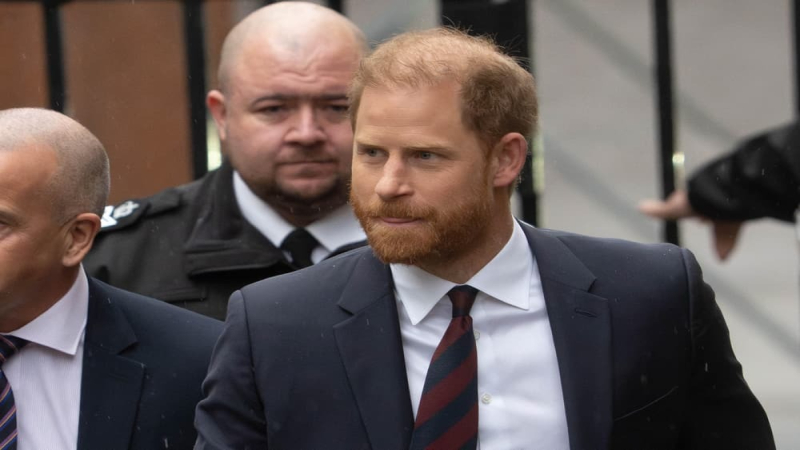
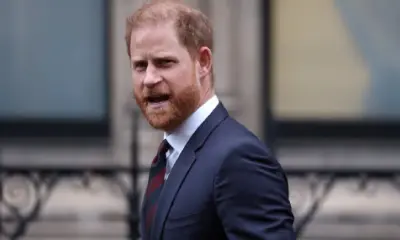
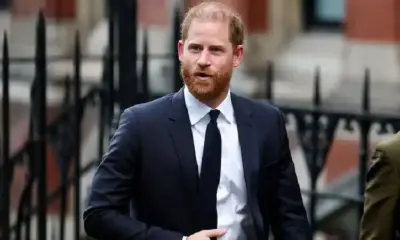
Prince Harry appeared in court on Wednesday to give evidence in his ongoing legal case against the publisher of the Daily Mail, delivering testimony that at times became visibly emotional. The Duke of Sussex spoke at the Royal Courts of Justice in central London as part of a wider claim brought by several high-profile figures alleging unlawful information gathering. During his evidence, the duke reflected on the personal toll of media intrusion, stating that the life of his wife, Meghan, had been made an absolute misery. He explained that some of the articles at the centre of the case were not challenged at the time because of the institution he felt bound by, describing an environment where complaints were discouraged. Observers in court noted that his voice faltered as he spoke about the emotional impact on his family, underlining the deeply personal nature of the claims being examined.
The legal action has been brought against Associated Newspapers Limited by a group that includes Prince Harry, Elton John and his husband David Furnish, campaigner Doreen Lawrence, former politician Simon Hughes, and actresses Sadie Frost and Liz Hurley. The claim focuses on allegations that journalists and private investigators engaged in illegal methods to obtain private information. The court heard that Prince Harry is challenging a series of articles which he believes were the product of such practices. The case forms part of a broader debate around press standards, privacy and accountability, with significant public interest given the status of those involved and the historical influence of tabloid media in the UK.
As his evidence drew to a close, Prince Harry appeared on the verge of tears while addressing the court, particularly when speaking about the effect of press scrutiny on his marriage and personal wellbeing. The duke’s testimony marked a key moment in the proceedings, drawing intense attention from both legal observers and the public. The trial continues with further evidence expected from other claimants, as the court assesses the extent of the alleged misconduct and whether the claims meet the legal threshold. The outcome of the case could have wider implications for the relationship between public figures and the British press, especially regarding historical practices and the limits of journalistic intrusion.