Latest News
Greenland Dispute Casts Shadow Over Davos as Trump Presses Allies

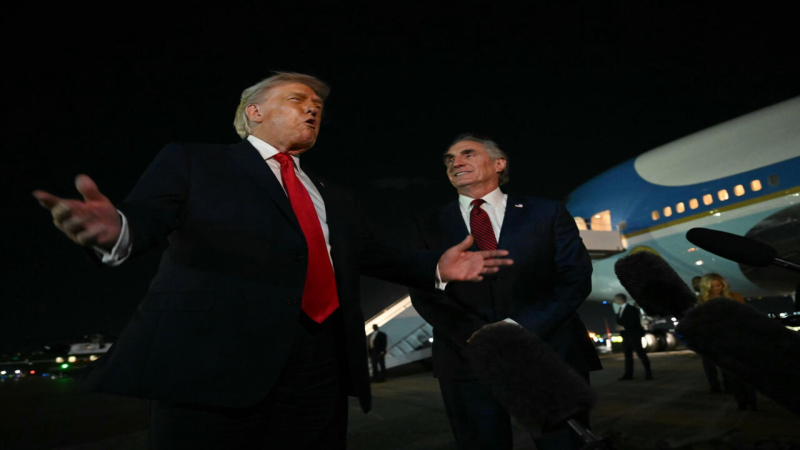
Tensions between the United States and its European allies intensified after President Donald Trump renewed his push over Greenland, overshadowing discussions at the World Economic Forum in Davos. Trump said there would be no retreat from his position, fuelling unease among NATO partners already grappling with economic uncertainty and geopolitical strain. His comments came as world leaders gathered to discuss trade, security and growth, with the Greenland issue quickly emerging as a dominant topic in private meetings and public remarks. European officials expressed concern that linking territorial demands with the threat of tariffs risked undermining international norms and alliance unity. The dispute has added to market volatility and complicated efforts to present a coordinated Western stance at a forum traditionally focused on cooperation and long term economic planning.
French President Emmanuel Macron pushed back strongly, warning against a world where international law is disregarded and smaller nations are pressured through economic means. Speaking in Davos, Macron criticised what he described as transactional diplomacy and called for respect for sovereignty and established rules. European leaders have so far stopped short of announcing specific countermeasures but are actively weighing their response, including potential trade actions if tariff threats are carried out. Diplomats said the focus remains on de escalation, though there is growing recognition that a firmer collective stance may be needed. The issue has also revived debate within Europe about strategic autonomy and reducing exposure to sudden policy shifts from Washington.
The Greenland dispute has had knock on effects beyond diplomacy, with investors reacting to the heightened uncertainty. Markets across Europe have seen increased volatility, as concerns mount that escalating trade tensions could weigh on growth at a fragile moment for the global economy. Analysts say the rhetoric has reinforced demand for safe haven assets while pressuring equities and currencies sensitive to geopolitical risk. At Davos, business leaders privately voiced frustration that political disputes were distracting from urgent economic challenges such as slowing growth, energy transition and supply chain resilience. Several executives warned that persistent uncertainty could delay investment decisions, particularly in sectors reliant on stable transatlantic trade relations.
Despite the sharp rhetoric, officials on both sides have indicated that talks will continue, with meetings expected in the coming days aimed at easing tensions. European leaders are seeking to balance a firm defence of their positions with the need to keep channels of communication open. Trump has signalled willingness to engage but has not softened his stance, keeping pressure on allies as discussions continue. The episode has underscored broader strains within NATO and the transatlantic relationship, raising questions about how far disagreements could spill into trade and security cooperation. As Davos draws to a close, the Greenland issue is likely to remain a key test of unity among Western allies in an increasingly fragmented global landscape.