Latest News
FTSE Slides as Tariff Tensions Hit London Markets

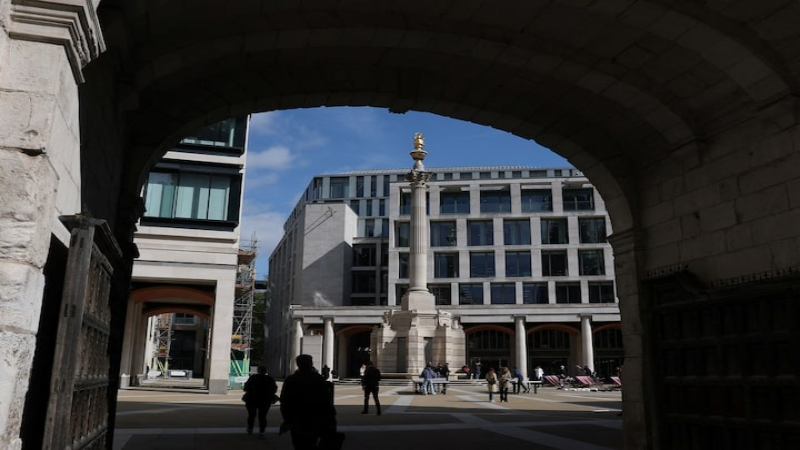
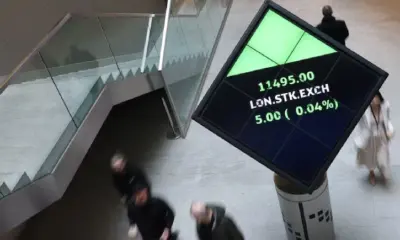
London stocks closed lower after renewed trade uncertainty unsettled investors, pushing the FTSE 100 to its sharpest daily decline in nearly two weeks. The benchmark index fell 0.72 percent, while the more domestically focused FTSE 250 lost 0.6 percent, as markets reacted to fresh tariff threats from US President Donald Trump linked to Greenland. Investors turned cautious amid concerns that escalating trade tensions could disrupt European exports and weigh on already fragile sentiment at the start of the year. The selloff came despite a relatively strong opening to 2026 for London equities, with traders reassessing risk following heightened geopolitical rhetoric. Market participants said the uncertainty overshadowed otherwise stable global growth expectations, prompting a pullback across several heavyweight sectors on the index and dragging the market to its lowest level in more than a week.
Pharmaceutical and insurance stocks were among the biggest drags on the market, reflecting sector-specific pressures alongside the broader risk-off mood. Shares in AstraZeneca fell sharply after the company announced plans to delist its American depositary shares and debt securities from Nasdaq, making it the largest single negative contributor to the FTSE 100 session. Life insurers also underperformed, with the sector sliding close to two percent. In contrast, mining stocks linked to precious metals moved higher, as investors sought safe-haven assets amid trade-related uncertainty. Gold prices surged to record levels while silver hovered near historic highs, supporting gains among London-listed miners. These stocks have been key drivers of the FTSE’s earlier gains this year, helping the index reach record highs before the latest pullback.
Economic data at home added another layer to the market narrative, showing signs of softening in the UK labour market. Figures released this week indicated employment fell again in December, while private sector wage growth slowed to its weakest pace in five years. Analysts said this could ease pressure on the Bank of England as it weighs inflation risks against a cooling economy. Meanwhile, Informa stood out as a rare bright spot, rising more than four percent after announcing a £200 million share buyback and forecasting steady revenue growth for the year ahead. Investors are now looking to comments from policymakers and business leaders gathering at the World Economic Forum in Davos, with any signals on trade, growth or monetary policy likely to influence near term market direction.