Tech
Tech Firms See Electrified Rail As The Next Major Breakthrough

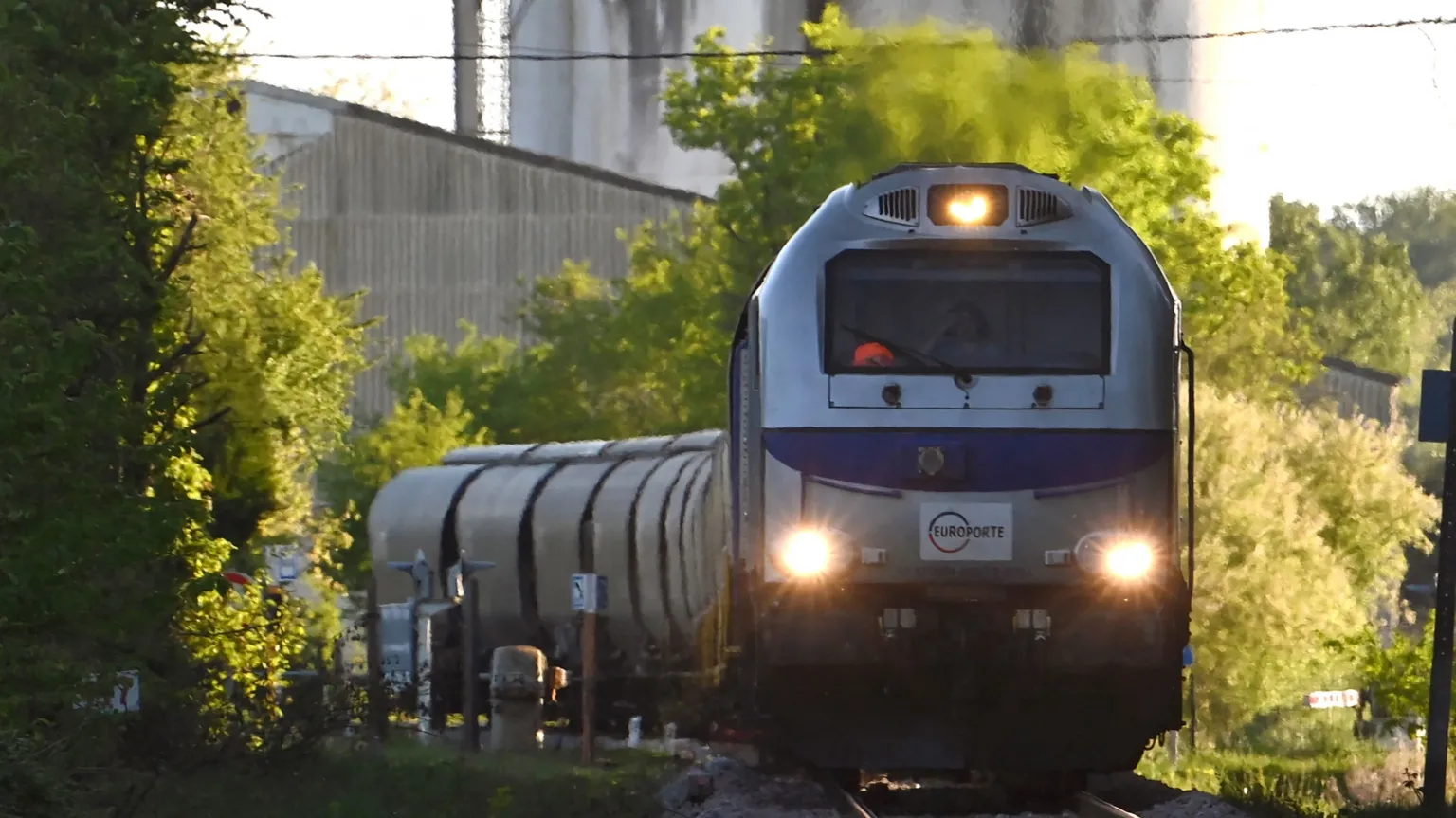
The race to electrify global transport has largely focused on cars, buses and aviation, yet an older mode of travel is now attracting an unprecedented wave of technological investment. Rail transport, long viewed as efficient but often underfunded, is being reimagined as the next frontier in clean energy innovation. Across Europe, Asia and North America, major tech firms are positioning themselves to accelerate the shift from diesel powered trains to advanced electric systems. In the words of several industry leaders, this moment is being described as the big one, a turning point that could reshape mobility, energy infrastructure and national transport strategies for decades.
Why The Rail Industry Is Facing A Critical Transformation
Rail remains one of the most energy efficient transportation systems, yet many routes still rely on diesel locomotives that produce significant emissions. As countries commit to more ambitious climate targets, electrifying rail networks has become essential. The challenge is that conventional electrification requires extensive infrastructure, from overhead wires to upgraded substations. These upgrades demand large budgets and long timelines, which has slowed progress in many regions. Tech companies now see an opportunity to introduce alternative solutions that bypass costly infrastructure while still delivering clean, reliable power. The timing aligns with growing pressure to decarbonize supply chains and create greener freight corridors.
How Tech Innovation Is Accelerating The Shift
Advances in battery technology, software systems and power management have opened new possibilities for rail transport. High capacity batteries can now power trains across medium length routes without relying on overhead wires. These battery electric trains recharge at stations or through partial electrification along the route. Hybrid models combine batteries with hydrogen fuel cells to extend travel range. Tech firms are playing a central role by supplying battery systems, developing predictive maintenance software, and integrating energy storage with smart charging. Companies that previously focused on electric vehicles are now entering the rail sector with scalable technologies capable of supporting heavier loads and longer duty cycles.
Why Tech Firms Consider Rail Electrification A Major Opportunity
Large technology companies are increasingly investing in rail because the sector offers a unique combination of stable demand and transformative potential. Unlike road transport, rail operates on fixed routes and predictable schedules, making it ideal for precision energy management. For tech firms, electrified rail presents opportunities in hardware, cloud based monitoring, artificial intelligence driven maintenance and grid integration. These systems can help operators reduce costs, extend battery life and optimise train performance. The shift also supports national sustainability goals, allowing governments to modernise transport networks without depending solely on expensive infrastructure expansion. As one industry executive put it, rail electrification is the moment where innovation meets necessity.
The Benefits For Passengers And Freight Operators
Electrified rail systems offer quieter rides, lower emissions and improved reliability. For freight companies, the advantages are even more significant. Electric trains reduce fuel costs and can operate more efficiently on long distance routes. The introduction of battery and hybrid systems also allows operators to electrify segments of railways rather than entire lines, creating flexible and cost effective deployment models. Passengers benefit from smoother acceleration, reduced noise pollution and more modern rolling stock. Over time, widespread electrification could lead to major improvements in punctuality and network capacity as smart systems optimise train movement across crowded corridors.
What The Future Of Rail Could Look Like
If current investments continue, the next decade may see a dramatic expansion of electrified rail routes supported by advanced technologies from the private sector. Many regions are already testing battery powered passenger trains, hydrogen hybrid models and digital systems that manage power flow across large networks. Tech firms believe that as costs fall and performance improves, even remote or low traffic routes could become fully electric. This shift would represent one of the most significant transformations in modern transport. It would also reinforce rail’s role as a clean backbone for national mobility and freight logistics. Whether for climate goals, economic efficiency or technological progress, electrified rail is positioned to play a far larger role in global transportation than ever before.