News
Pakistan’s Former ISI Chief Faiz Hameed Sentenced to 14 Years by Military Court

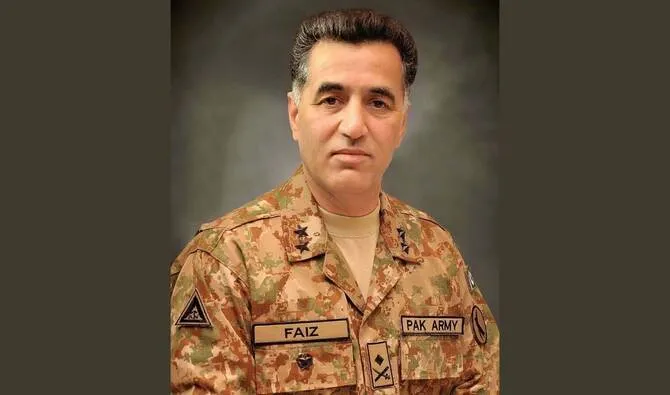
Pakistan’s former intelligence chief, Lieutenant General Faiz Hameed, has been sentenced to fourteen years in prison after a military court found him guilty of multiple charges, including violating state secrets, political interference and misuse of authority. The conviction marks a historic moment, as it is the first time a former head of the powerful Inter Services Intelligence agency has been court martialled.
Hameed, who led the ISI from 2019 to 2021 during the government of former prime minister Imran Khan, was long viewed as one of Khan’s strongest allies within the military establishment. He took early retirement soon after Khan was removed from office in a no confidence vote in 2022, a period that saw rising friction between Khan and the military leadership.
According to a statement issued by the military’s public relations wing, ISPR, the court martial process lasted fifteen months and began in August 2024 under the Pakistan Army Act. Hameed faced four charges, including involvement in political activities, breaching the Official Secrets Act in ways that allegedly harmed national interests, misuse of government resources and causing harm to citizens.
The proceedings were held behind closed doors, and specific details of the evidence against him have not been made public. ISPR stated that Hameed had access to a legal defence team of his choosing and retains the right to appeal the verdict. His lawyer confirmed that the first stage of appeal would be to the army chief, followed by the option to approach the Supreme Court of Pakistan.
The ISPR statement also said that a separate inquiry is ongoing into Hameed’s alleged role in political unrest, which is believed to relate to accusations linking him to the protests that erupted after Imran Khan’s arrest on 9 May 2023. Those events marked one of the most turbulent moments in Pakistan’s recent political history, with widespread demonstrations and clashes across the country.
Hameed’s lawyer, Mian Ali Ashfaq, strongly rejected the charges, telling the BBC that his client was “one thousand percent innocent.” He added that the legal team only learned of the conviction through the military’s press release and is now seeking the full judgment to prepare an appeal. Ashfaq said they plan to challenge the verdict immediately once they receive official documentation.
The ISI chief is widely regarded as one of the most influential roles in Pakistan’s power structure, second only to the army chief. Hameed’s sentencing underscores the growing willingness of the military to pursue internal accountability at a time when Pakistan remains politically polarized and under intense public scrutiny.
As the appeals process begins, the case is expected to fuel further debate over the military’s role in politics and the broader implications for Pakistan’s governance and stability.