Tech
US presses Europe on rules for big tech companies

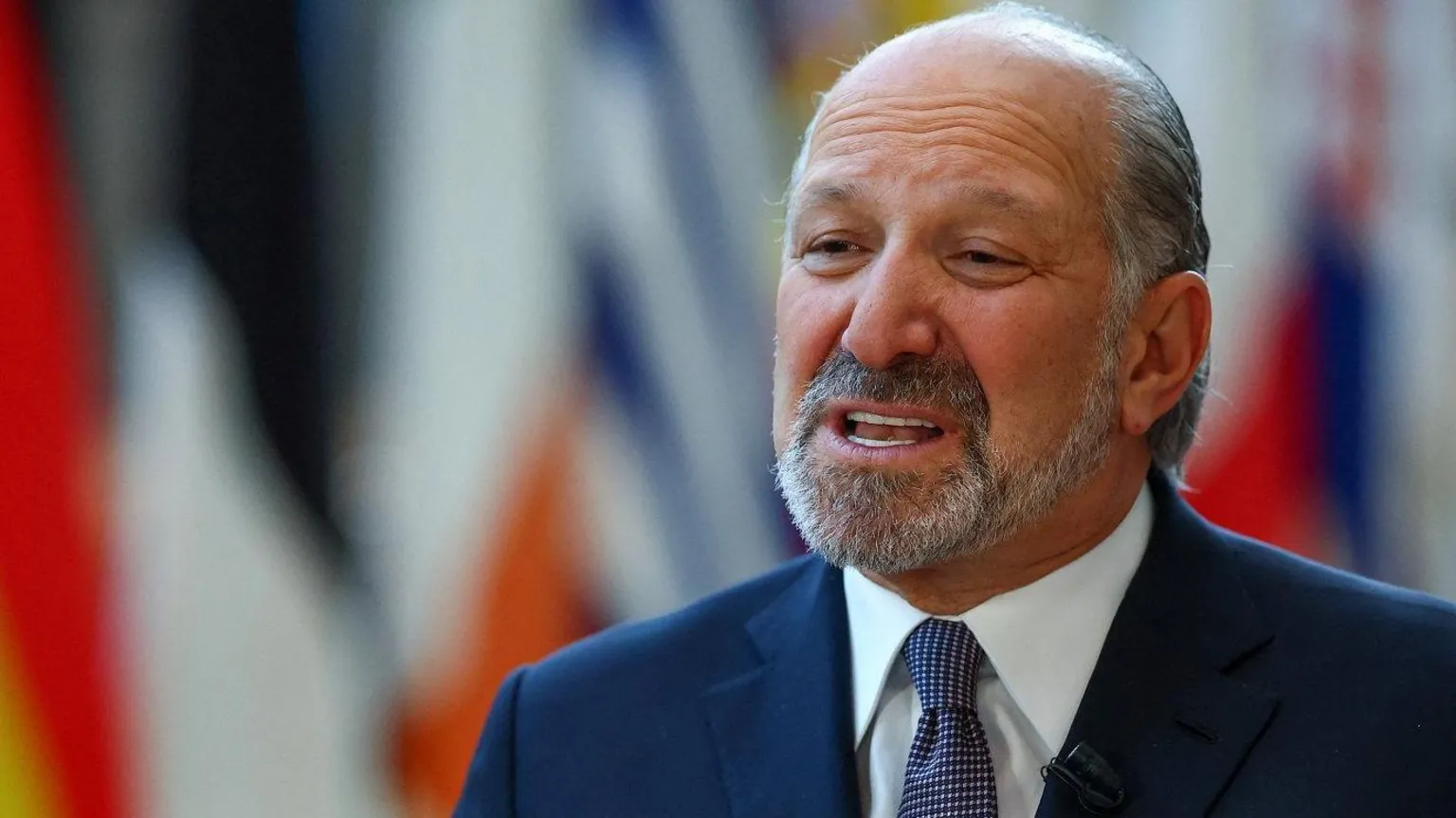
The United States has urged Europe to reconsider its rules governing major technology companies, suggesting that doing so could help secure lower American tariff rates on European steel and aluminium. The message came from US Commerce Secretary Howard Lutnick, who indicated that regulatory adjustments in the tech sector may become a key factor in ongoing trade discussions. His remarks highlight how deeply intertwined technology policy and trade negotiations have become, as both sides look for leverage in a shifting global economic environment.
A trade framework under negotiation in Brussels
Officials from the United States and the European Union are currently meeting in Brussels to assess the agreement they reached in July. The deal had been presented as a step toward easing long standing disputes over metals tariffs. Under the terms, the US set tariff rates on European steel and aluminium at 15 percent, a much lower rate than earlier threats. In return, Europe pledged to expand investment and make regulatory changes that would increase access for American agricultural products. While the agreement reduced immediate tensions, several important issues remain unresolved.
Big tech rules emerge as a source of friction
Lutnick’s suggestion that Europe soften its approach to regulating large technology firms adds a new layer of complexity to the talks. European lawmakers have spent years developing strict frameworks to address competition, data protection and digital market dominance, particularly concerning major US based tech giants. These rules are seen in Europe as essential for protecting consumer rights and ensuring fair competition. Washington, however, argues that some of the measures are overly burdensome or discriminatory toward American companies. Linking metals tariffs to tech rules marks a strategic effort by the US to push back against regulations it views as restrictive.
A delicate balance between sovereignty and partnership
The European Union faces a challenge in responding to the US position. Policymakers want to maintain strong ties with Washington, especially during a time of wider geopolitical and economic uncertainty. At the same time, they remain committed to the digital policies they believe best serve European consumers and businesses. Any shift could be criticised domestically as compromising regulatory independence, while resistance could risk trade consequences. This tension reflects a broader struggle to balance cooperation with the need to protect economic sovereignty.
Agriculture access continues to shape negotiations
The July agreement also included European commitments that would allow more American agricultural products into EU markets. While progress has been made, differences remain about the scale and specifics of these market openings. Both sides recognise the political sensitivity of agriculture, which often becomes a flashpoint in transatlantic negotiations. Farmers in Europe worry about competition from larger US producers, while American companies want fewer restrictions. With these disputes still active, the unexpected addition of tech regulation to the discussion adds yet another challenge for negotiators.
Trade and technology increasingly intertwined
The growing overlap between digital policy and global trade shows how economic priorities have evolved. Technology companies now play a central role in shaping national influence and economic growth. As a result, tech regulation is no longer viewed solely as a domestic issue but as a factor in international competitiveness. The US effort to link tariff reductions to changes in European digital rules illustrates how countries may increasingly use trade agreements to advance their strategic interests in the tech sector. The EU must now decide how to navigate this shift without undermining key principles.
A path forward marked by uncertainty
With so many interconnected issues on the table, both sides face a difficult road ahead. The next phase of talks will determine whether the July agreement can be strengthened or whether tensions will deepen. While Washington hopes its pressure will prompt Europe to adjust its digital policies, EU leaders are unlikely to make rapid concessions. Still, both sides recognise the value of maintaining a stable economic partnership and will look for ways to preserve cooperation. The coming months will reveal whether they can bridge the gaps or whether new disputes will emerge.