Politics
Major Talks Begin on Reforming ECHR Migration Rules

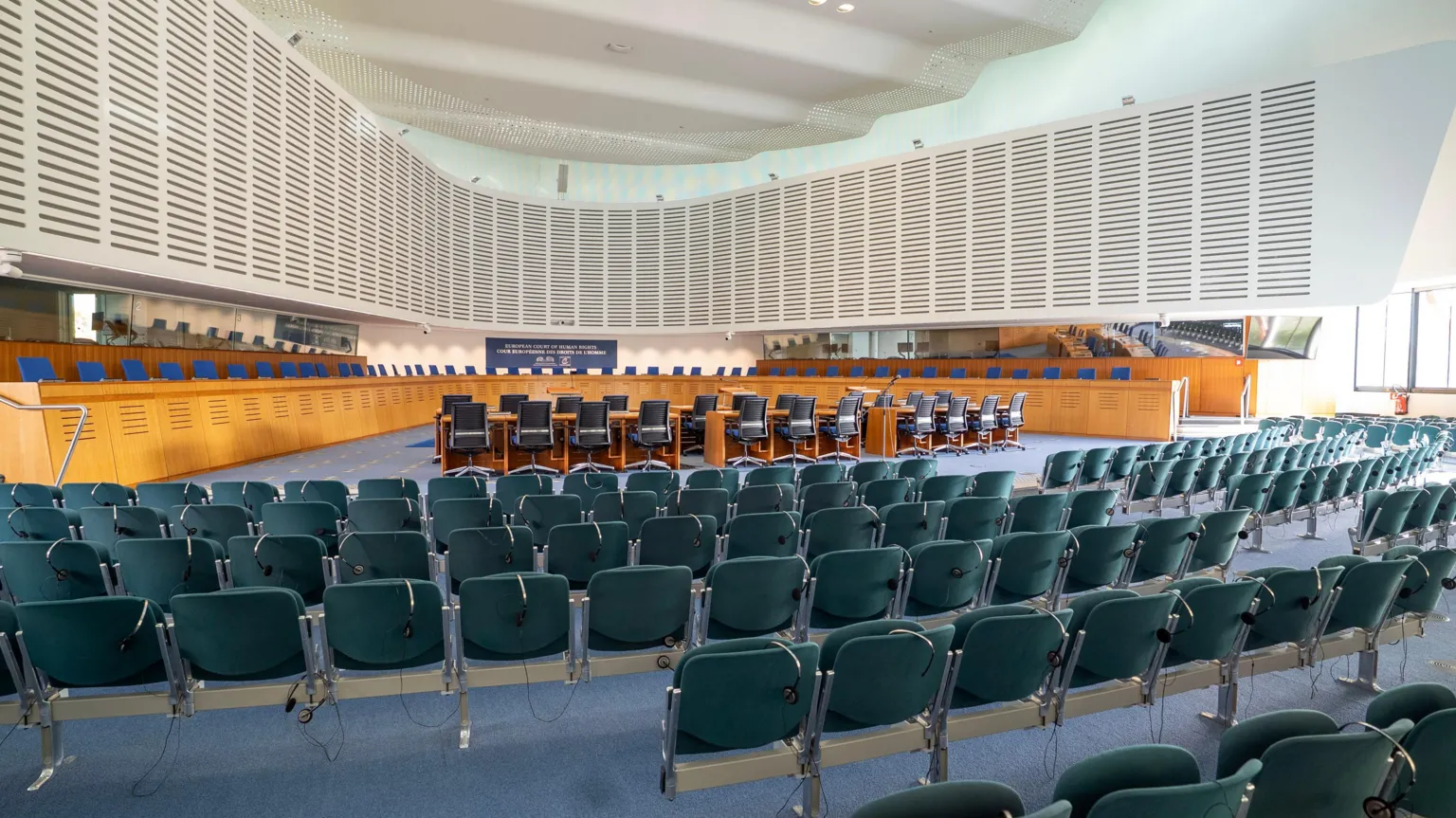
International negotiations aimed at reshaping how the European Court of Human Rights handles migration cases are set to begin on Wednesday, marking one of the most significant efforts in years to reinterpret the continent’s human rights framework. The British government is leading calls for reform, arguing that the current system is not equipped to deal with the scale and complexity of today’s illegal migration challenges. Officials say that unless the rules evolve, European states will continue to struggle with people smuggling networks and overwhelmed asylum systems.
Governments Call for New Tools to Manage Migration
The UK is urging partners to develop a modernised approach that gives states greater flexibility to respond to irregular migration. This includes proposals to strengthen tools for disrupting smuggling operations and to create “returns hubs,” facilities designed to hold people who have been denied the right to remain in Europe before they are returned to their home countries.
While controversial, supporters argue these changes are necessary to restore public confidence in migration policy and to ensure human rights protections remain effective in today’s context. They contend that the ECHR’s current interpretation of certain rights limits the ability of governments to act decisively, even in cases involving criminal networks or individuals without legal claims to residency.
A Joint Call from the UK and Denmark
Ahead of the Strasbourg meeting, UK Prime Minister Sir Keir Starmer and Danish Prime Minister Mette Frederiksen published a joint statement urging their European partners to rethink the boundaries of human rights law. They argued that safeguarding borders and upholding human rights should not be competing goals, and that modern threats demand a modern legal response.
The two leaders wrote that current frameworks were created during a very different era and that laws must be updated to remain credible. Their intervention adds significant political weight to the discussions, as both countries have become central to Europe’s debates on migration policy.
What Reform Could Mean for the ECHR
The talks in Strasbourg represent the clearest sign yet that European governments are open to redefining how the ECHR applies to migration. Potential reforms could include clarifying how states may intercept migrant boats, adjusting the thresholds for injunctions that halt removals and outlining new safeguards tailored to modern migration patterns.
Critics, however, warn that altering the interpretation of human rights risks weakening essential protections. They argue that the ECHR has played a vital role in defending vulnerable people, preventing abuses and holding governments accountable. Any reforms, they say, must not undermine these core principles. Advocacy groups have also expressed concern that new detention hubs or stricter return processes could lead to mistreatment if poorly regulated.
A Debate That Will Shape Europe’s Future
The outcome of the talks will have far reaching consequences for how Europe manages migration in the years ahead. With rising arrivals across the Mediterranean, increasing pressure on national asylum systems and growing public concern over border security, governments are seeking solutions that balance humanitarian obligations with practical enforcement.
The debate reflects a broader shift in European politics, where migration has become one of the defining issues shaping elections, alliances and national policy. As discussions begin in Strasbourg, governments must navigate tensions between legal obligations, political pressures and humanitarian responsibilities.
Whether these talks lead to substantial reform or only incremental adjustments, they signal a turning point. Europe is now confronting the question of how human rights law should evolve in a world where migration is both global and politically charged.