Sports
Fifa Accused of Breaching Its Own Rules After Infantino Gives Trump a Peace Award

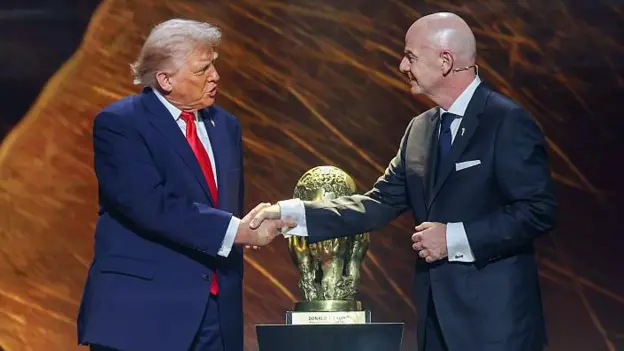
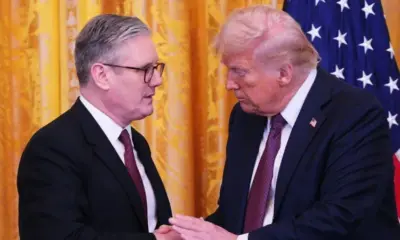
Fifa is facing renewed scrutiny after human rights organisation FairSquare filed a formal complaint accusing president Gianni Infantino of violating the governing body’s strict neutrality rules. The concerns center around Infantino’s decision to award United States president Donald Trump the first ever Fifa peace prize during the 2026 World Cup draw in Washington DC. The award, combined with Infantino’s public praise of Trump through social media posts and interviews, has triggered an intense backlash from ethics experts and football observers who argue that Fifa should not be seen endorsing active political leaders.
Why the Award Sparked Controversy
According to Fifa’s ethics code, the organisation must maintain strict political neutrality, especially in its public communications and official events. The peace prize presentation, however, raised immediate questions. In its letter of complaint to Fifa’s ethics committee, FairSquare wrote that Infantino’s actions represent four clear violations of neutrality regulations. It argued that giving a symbolic honour to a serving president is already a direct breach of Fifa’s responsibilities, regardless of the reasoning behind the award.
FairSquare noted that the peace prize was a particularly sensitive gesture, as it positions a political leader as a global force for harmony at a moment when opinions about Trump remain deeply polarised. Critics say that by associating Fifa with a figure who is actively campaigning and deeply involved in domestic political debates, Infantino has placed the organisation in an inappropriate position.
Public Praise Adds Fuel to the Fire
The controversy deepened further when observers pointed to Infantino’s social media posts and public comments praising Trump. These remarks were widely interpreted as supportive of the president’s political stance and leadership style. For organisations like FairSquare, this behaviour is not merely a lapse in judgement but a pattern that suggests Infantino has intentionally aligned Fifa’s image with an active political figure.
The complaint stresses that Fifa’s neutrality rules exist precisely to avoid such associations. Football, as the world’s most widely followed sport, often intersects with national identity and political messaging. Maintaining neutrality is meant to protect both the game’s global character and the trust of fans who span a wide spectrum of political beliefs.
What Happens Next for the Ethics Committee
The Fifa ethics committee has the authority to open a formal investigation, and if it finds that Infantino breached the rules, he could face significant disciplinary consequences. These may range from warnings to possible sanctions, depending on the severity of the violations. For now, the committee has not publicly commented on the letter or confirmed whether it will begin proceedings.
Experts say that even if the investigation does not lead to formal punishment, the incident has already damaged perceptions of Fifa’s independence. The organisation has spent years trying to rebuild credibility after earlier corruption scandals. Any suggestion that its president is using the global stage to promote political figures risks undoing some of that progress.
A Wider Debate About Governance in Football
The episode has reignited broader discussions about how Fifa should operate in an era where sports and politics increasingly overlap. World Cup host selections, sponsorship agreements and public engagements often involve political leaders. Critics argue that without firm boundaries, football’s governing bodies may be used for soft power or political image building.
Supporters of FairSquare’s complaint say this case is especially important because it involves the highest office in Fifa. If rules are not enforced at the top, they argue, there is little chance that neutrality will be respected elsewhere in the organisation. With the 2026 World Cup approaching and global attention intensifying, the outcome of this dispute may shape expectations about Fifa’s leadership for years to come.