Tech
Trump Gives Nvidia the Green Light to Sell Advanced AI Chips to China

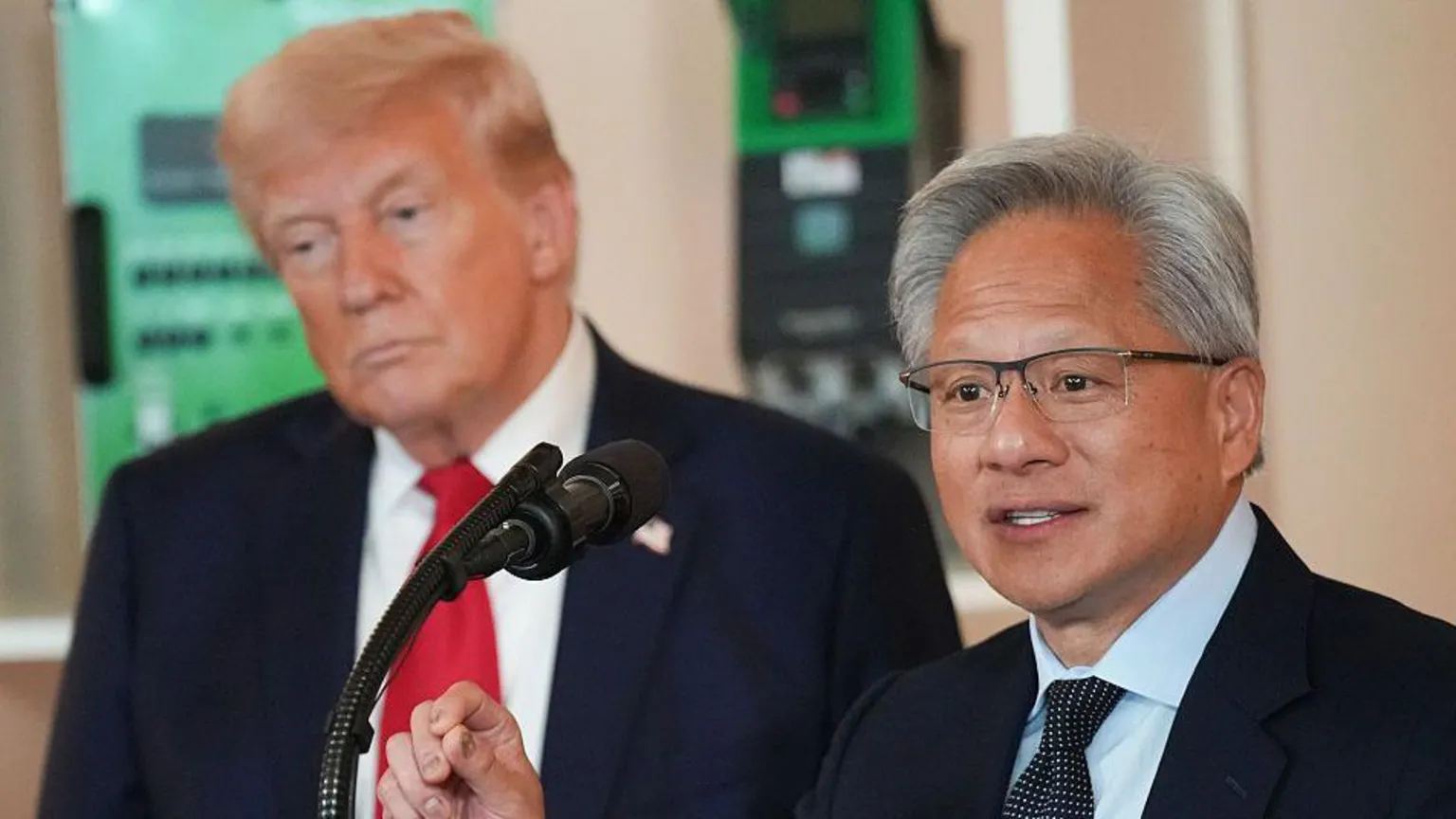
US President Donald Trump has announced that Nvidia will be permitted to sell its advanced H200 artificial intelligence chips to “approved customers” in China, marking a significant shift in Washington’s approach to tech exports. The move comes after months of restrictions aimed at limiting China’s access to cutting edge AI hardware and arrives at a moment when the global semiconductor industry is deeply intertwined with geopolitics. Trump framed the decision as one that will protect national security while boosting American jobs and maintaining the country’s lead in artificial intelligence.
Nvidia at the Center of a Global Power Struggle
Nvidia has become a central figure in the technology rivalry between the United States and China. The company is not only the world’s most valuable semiconductor firm but also the dominant supplier of the high performance chips used to train large AI systems. The previous ban prevented Nvidia from selling its most advanced products, including the H200, to Chinese firms. This restriction had placed immense pressure on the company’s business and contributed to uncertainty across global supply chains.
The new decision allows Nvidia, along with other US chipmakers such as AMD, to resume selling advanced chips under strict conditions. The approval will apply only to vetted customers, though further details on eligibility have not yet been released. Analysts believe Washington may still block sales to firms with military links or those connected to sensitive national security operations.
High Level Lobbying and Industry Pressure
Nvidia CEO Jensen Huang has played an active role in shaping the policy shift. He visited Washington last week to urge officials to reconsider the sweeping restrictions, arguing that completely cutting off access to the Chinese market would damage the US tech industry while strengthening competitors in other countries. Huang emphasised that China represents a major portion of Nvidia’s revenue and that allowing some level of engagement is essential for the company’s global position.
The semiconductor industry more broadly has cautioned that overly strict bans could accelerate China’s push for technological self sufficiency, ultimately weakening US influence. Trump’s decision appears to reflect a balancing act between these economic concerns and national security considerations.
How the Policy Could Affect China’s AI Progress
For China, the decision offers limited but meaningful access to hardware that is vital for training large scale AI models. Local firms have been scrambling to develop domestic alternatives to Nvidia’s chips, but the gap in performance remains significant. The ability to purchase H200 chips, even under tight controls, could help Chinese companies continue advancing their AI capabilities in the near term.
However, China will still face restrictions that prevent the transfer of top tier technology to organisations deemed sensitive by US authorities. This means the policy may offer relief to commercial players while preserving barriers around military or advanced research applications.
A Move with Global Implications
The decision highlights how deeply AI hardware has become entangled in international strategy. For years, Washington has been tightening rules around chip exports to China, framing them as essential to maintaining US leadership in next generation technologies. Allowing conditional sales suggests a more calibrated approach, one that seeks to support American companies without fully closing the door to the world’s second largest economy.
How long this policy will last remains uncertain. The geopolitical landscape is shifting rapidly, and further adjustments may follow depending on global tensions, supply chain trends and AI advancements. For now, Nvidia has regained a critical market opportunity, China has secured limited access to powerful computing tools and the United States is attempting to strike a balance between competition and economic pragmatism.