
News
French PM Lecornu Faces High-Stakes Budget Vote That Could Undermine His Authority

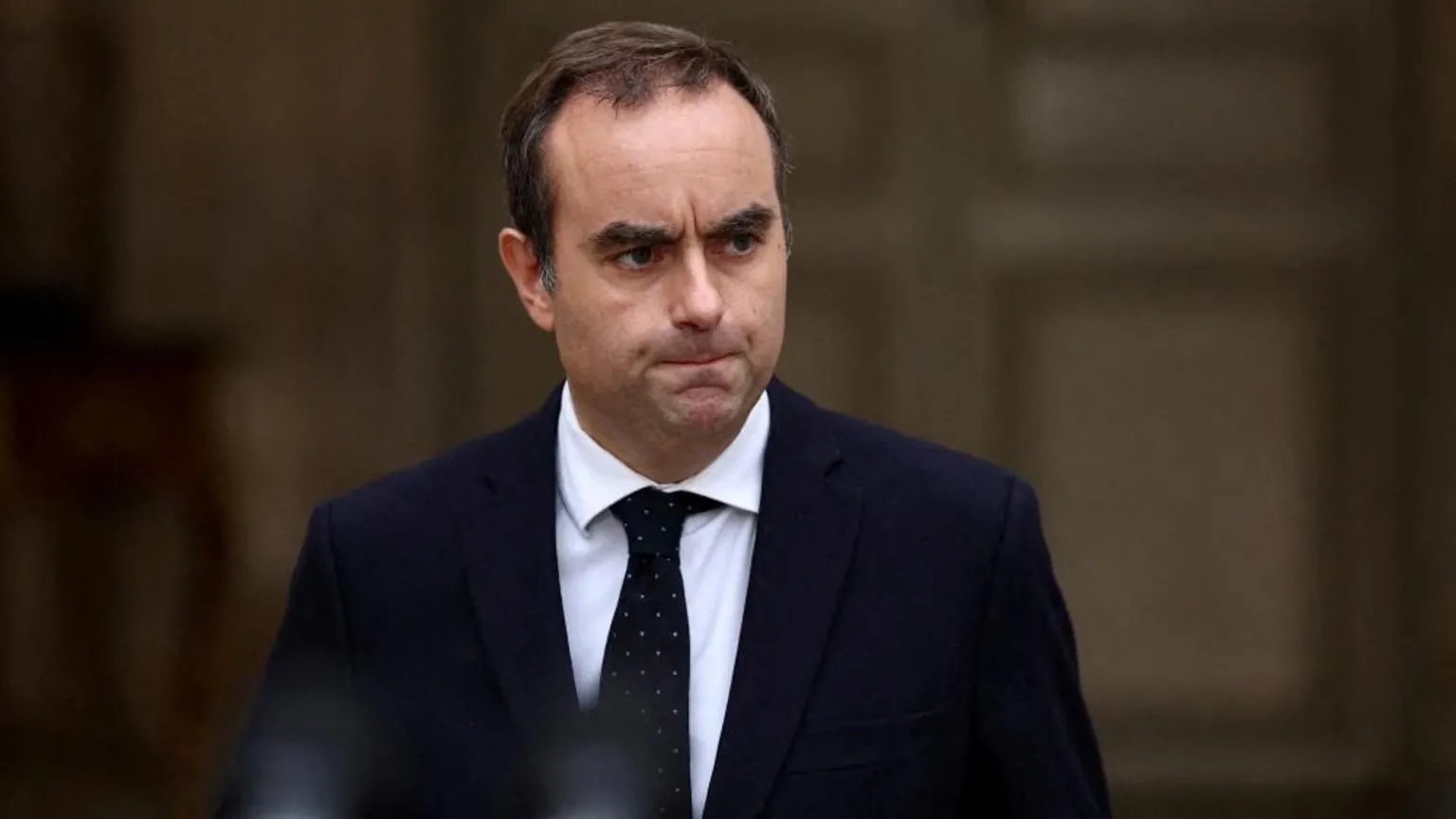
French Prime Minister Sebastien Lecornu is heading into a pivotal moment on Tuesday as lawmakers prepare to vote on the 2026 social security budget, a test that could determine not only the fate of the government’s broader economic plans but also his standing as head of government. With a fractured National Assembly and no guaranteed majority, the vote represents one of the most challenging hurdles Lecornu has faced since taking office.
The prime minister, appointed in September by President Emmanuel Macron, has spent the past several months focused almost entirely on steering the 2026 budget through parliament. But divisions within the Assembly, combined with mounting political tensions, mean that even routine fiscal measures have become steep political battles. Failure to pass the social security bill would cast serious doubt on the government’s ability to secure approval for the main budget bill, which must be adopted before the end of the year.
For Lecornu, the outcome is politically sensitive. While there is no immediate expectation that he would resign if the bill fails, such a setback would raise uncomfortable questions about his authority and his capacity to lead a minority government through the coming year. Analysts note that Macron appointed him to bring stability and discipline to the legislative process, yet the current landscape shows how difficult that mission has become.
The government insists the 2026 budget is essential for maintaining France’s social welfare system while controlling spending at a time of slow economic growth and rising public debt. Lecornu has argued that the reforms would allow the government to protect essential services while ensuring financial sustainability. The opposition, however, claims that the proposals do not go far enough to address structural imbalances or that they place disproportionate burdens on certain sectors of society.
Because Macron’s centrist alliance does not command a majority, the government must rely on support from independent lawmakers or parts of the conservative opposition. Negotiations intensified over the weekend as Lecornu attempted to secure enough votes to avoid depending on Article 49.3 of the Constitution — a controversial mechanism that allows the government to pass a budget without a vote unless lawmakers muster the numbers to topple the government through a no confidence motion.
Use of the measure has become politically toxic after frequent deployment in previous budget cycles under former Prime Minister Elisabeth Borne. Lecornu has publicly stated that he wishes to avoid relying on it, seeking instead to build consensus and reduce parliamentary resentment. But the risk remains that he may be forced to invoke it if the vote appears headed for defeat.
A failure on Tuesday would also have consequences beyond the budget. It would signal to Macron’s opponents that the government is vulnerable and could embolden parties across the political spectrum to challenge future legislation more aggressively. It could also complicate France’s efforts to meet EU fiscal targets at a time when Brussels is pressuring member states to trim deficits.
As the Assembly prepares for the vote, political observers say Lecornu’s credibility is on the line. The result will set the tone for the remainder of the legislative year and determine whether the prime minister can effectively guide France’s budget through a deeply divided parliament.



