Politics
‘Striking’ New Artwork for UK Trains Revealed as MPs Prepare for Rail Nationalisation Debate

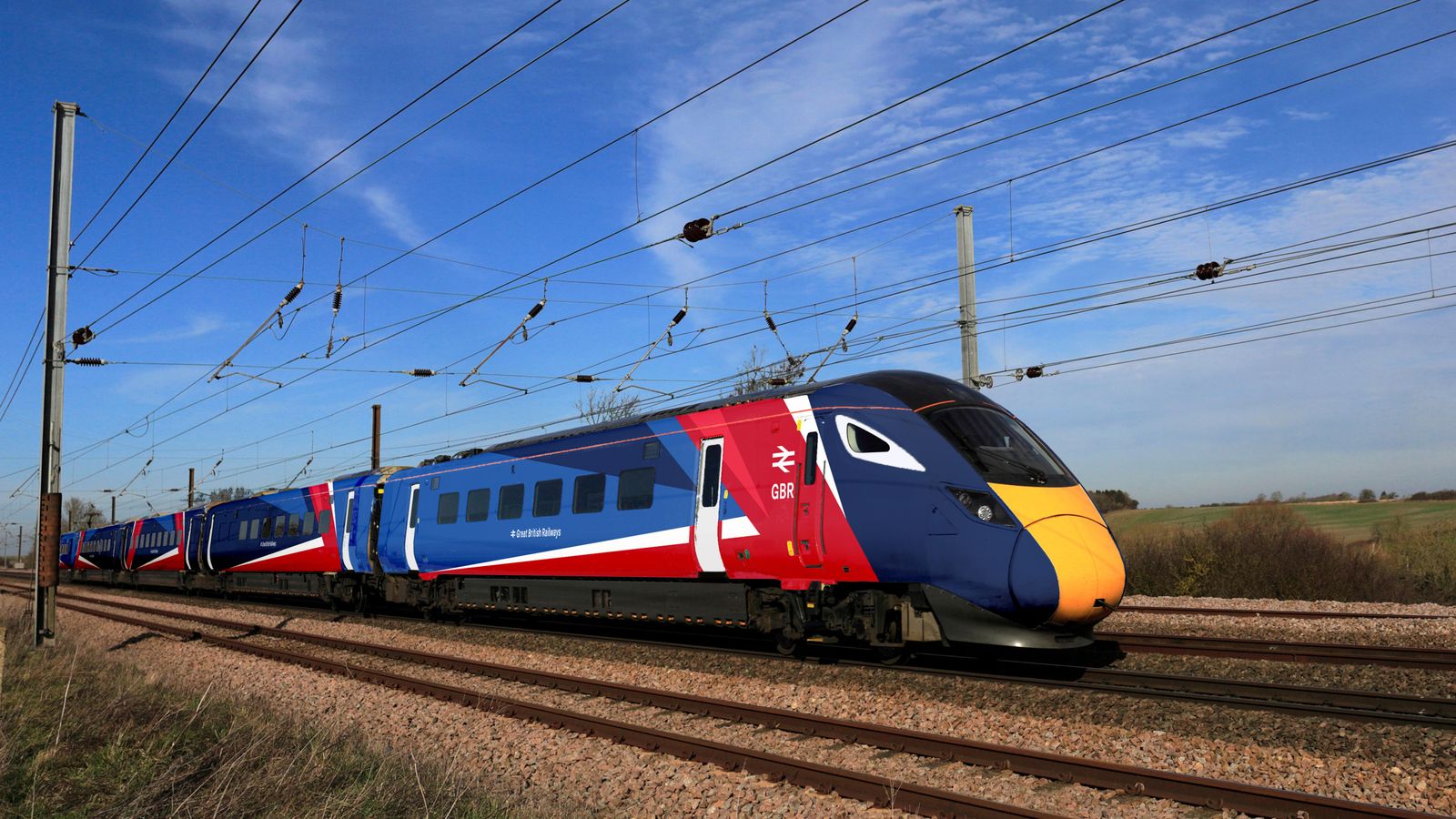
A fresh visual identity for publicly owned trains in the UK has been unveiled just as MPs prepare to debate rail nationalisation, bringing renewed attention to the future of the country’s rail network. The “striking” design, revealed for the first time by Transport Secretary Heidi Alexander, centres on a Union flag inspired pattern that will begin appearing on publicly operated train services from this spring. The timing underscores the government’s intention to reshape the narrative around public ownership, presenting an image of national pride, cohesion and investment ahead of what is expected to be a highly charged parliamentary discussion.
A Symbol of National Identity and Public Confidence
According to the transport secretary, the new artwork aims to foster a sense of national identity and public confidence in services already under government control. The Union flag motif is intended to represent unity, resilience and a modernised public sector offering. The design comes as several rail operators have been brought into public ownership in recent years due to repeated performance failures, prompting calls for deeper reform across the network. Ministers hope that introducing a fresh visual identity will demonstrate a commitment to improved accountability and high quality service while distinguishing publicly run routes from private franchises.
The rollout of the new branding will occur gradually, beginning with trains already managed by the state through the Operator of Last Resort. This includes routes where private contracts were terminated or not renewed due to persistent disruptions, financial issues or customer dissatisfaction. The updated design, which blends contemporary styling with national symbolism, has been described by the Department for Transport as an important part of restoring passenger trust.
Political Stakes Rise Ahead of Nationalisation Debate
The unveiling of the new design coincides strategically with Tuesday’s parliamentary debate on rail nationalisation. MPs will examine proposals on whether to expand public ownership across the entire rail system or continue with a mixed public private model. Supporters of full nationalisation argue that fragmented ownership has contributed to recurring delays, high fares and inconsistent service standards. They claim that the government’s oversight of recently re nationalised routes has already demonstrated the benefits of unified management.
Opponents, however, caution that nationalisation may not automatically resolve longstanding issues and warn that large scale state control risks reducing innovation and increasing taxpayer burdens. The debate is expected to be contentious, drawing in economic, ideological and practical arguments about the future direction of Britain’s transport infrastructure.
Public Response and the Road Ahead
Early public reaction to the new train artwork has been mixed but engaged, with some praising the modernised patriotic design and others questioning whether cosmetic changes distract from deeper systemic problems. Nevertheless, the decision to reveal the design now suggests a broader strategy: presenting visible markers of improvement while political leaders deliberate major structural reforms.
As discussions unfold in Parliament, the new branding offers a glimpse into how the government envisions publicly operated services in the years ahead — reliable, recognisably national and clearly distinct from their private sector predecessors. Whether that vision gains full political backing will depend on the outcome of the nationalisation debate, but the message behind the new artwork is clear: public ownership is not only functioning, but evolving with ambition.