Tech
Teen Influencers React to Australia’s World-First Social Media Ban for Under-16s

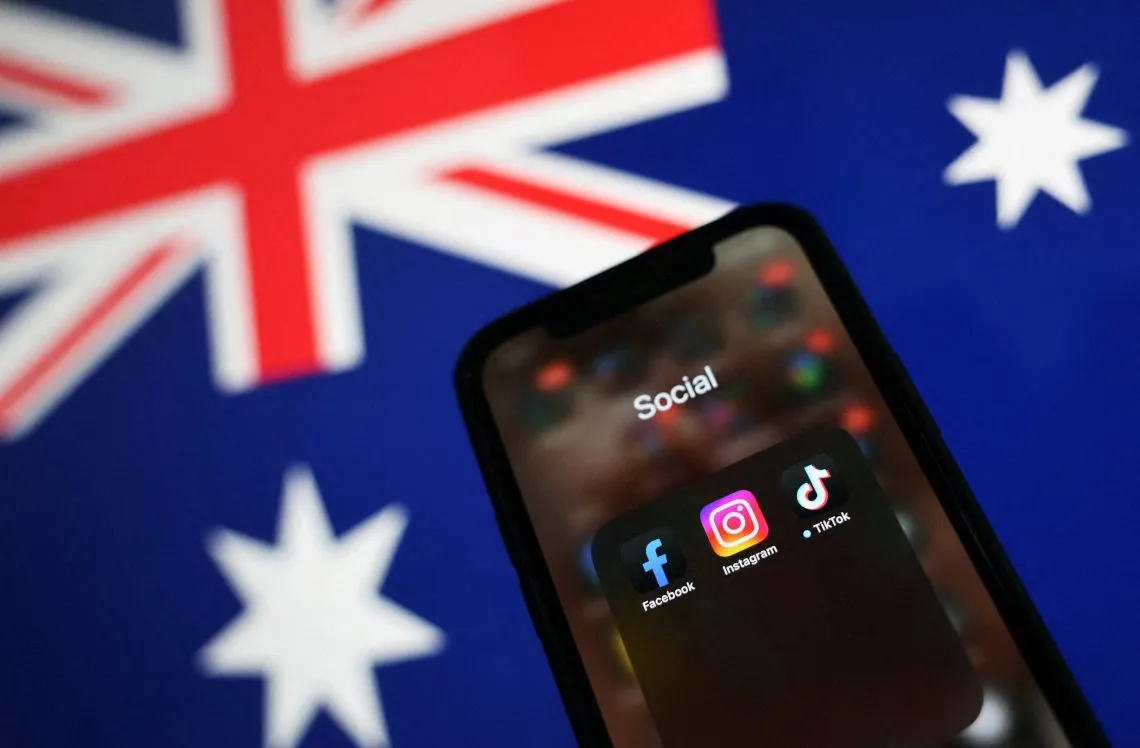
Australia has become the first country in the world to introduce a full social media ban for children under sixteen, with the law set to take effect on December tenth. The decision marks a sweeping shift in how governments regulate young people’s online activity and comes amid growing concerns about cyberbullying, online exploitation and harmful content. Policymakers argue that the rapid rise of digital platforms has exposed children to escalating risks, and that decisive intervention is necessary to protect mental health and safety. The legislation requires platforms to verify user ages and block underage accounts, making it one of the strictest online safety frameworks ever implemented.
Protecting Children From Online Risks
Supporters of the ban say it is a long overdue measure to address the realities young people face online. Reports of cyberbullying, harassment and exposure to explicit or violent content have increased in recent years, prompting calls for stronger protections. Australia’s eSafety Commissioner has repeatedly warned that social media companies have failed to prioritise child safety and that self regulation is no longer sufficient. By introducing an age threshold and enforcement mechanisms, the government hopes to reduce the psychological and emotional toll that harmful interactions can inflict on impressionable users. Critics of the platforms argue that children are ill equipped to navigate digital environments designed to maximise engagement rather than wellbeing.
Young Content Creators Share Their Concerns
For teenagers who have grown up online, the ban represents a major disruption to daily life. Fourteen year olds Zoey and Ella, both active content creators on TikTok, told the BBC they feel torn between understanding the reason for the law and worrying about what it means for their creative expression. Zoey said that social media has been her main outlet for sharing her interests and connecting with friends who enjoy the same hobbies. She expressed concern that losing access may make it harder to stay socially connected, especially in a world where digital communication often shapes friendships.
Ella echoed similar feelings, noting that TikTok is not only a space for entertainment but also a tool for learning and building confidence. She said she has met supportive communities online and developed new skills by posting videos and engaging with viewers. For both teens, the idea of suddenly being removed from platforms they have used for years feels overwhelming. They worry about losing audiences they built organically and missing out on future opportunities tied to digital creativity.
Balancing Safety With Youth Participation Online
The voices of young influencers highlight the difficult balance Australia is attempting to strike. While the ban aims to shield children from harmful content, it also restricts their ability to participate in online culture, develop digital literacy and explore personal interests. Some experts argue that a blanket ban may push children toward unregulated or harder to monitor spaces, potentially creating new risks. Others believe the policy will encourage healthier offline habits and reduce pressure to constantly perform or compare themselves to others.
A Global Debate With Far-Reaching Implications
Australia’s decision is already prompting discussion worldwide, with governments watching closely to see how enforceable the ban will be and whether it delivers measurable improvements in child wellbeing. Technology companies have expressed concerns about the practical challenges of age verification, while parents remain divided on whether banning platforms is the right solution. As the first country to implement such a policy, Australia is setting a precedent that could influence future regulation across Europe, North America and Asia.
The experiences of Zoey and Ella serve as a reminder that behind every policy are young people whose lives will change dramatically. Whether this ban becomes a blueprint for global child safety or a controversial experiment, it marks a pivotal moment in the evolving relationship between technology, youth and society.