Entertainment
Sabrina Carpenter Condemns White House Video Using Her Music in Immigration Crackdown

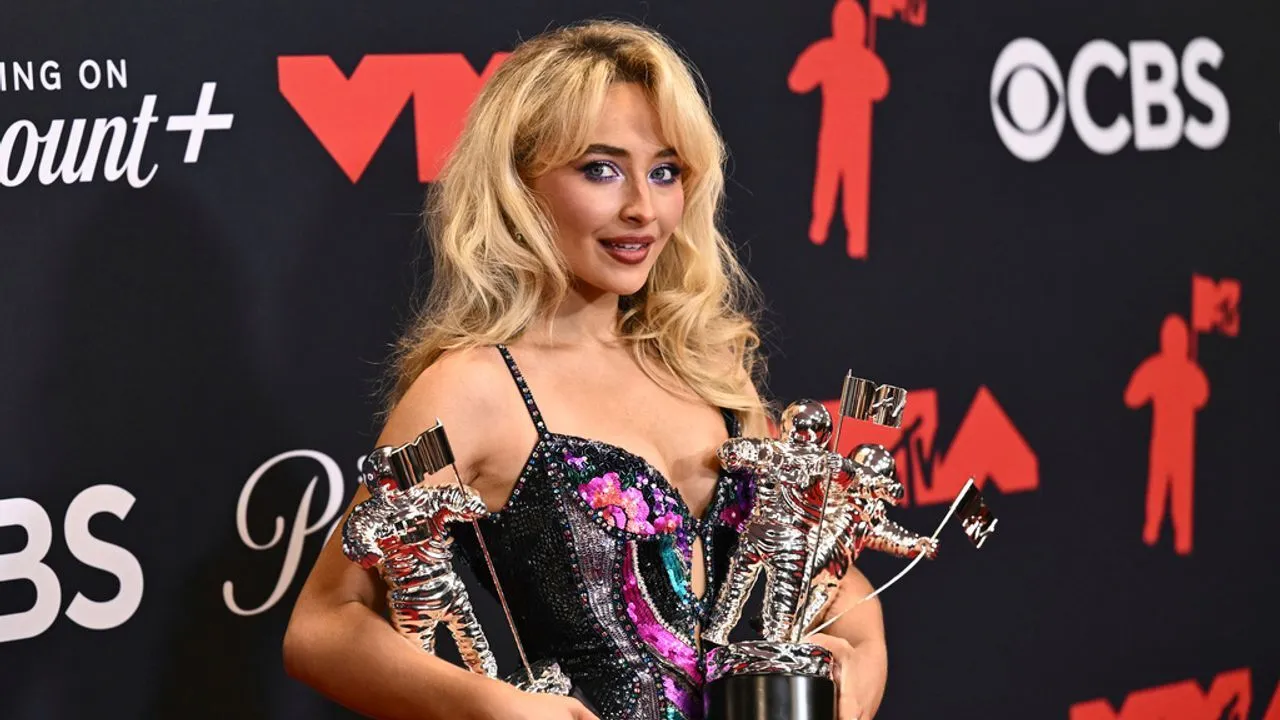
Singer Sabrina Carpenter has strongly criticized a White House video that used one of her songs to soundtrack footage of migrants being detained. The clip posted online on Monday has already been viewed more than a million times and instantly sparked outrage among fans and the artist herself. Carpenter took to X to express her anger making it clear she does not want her work associated with what she called an inhumane political agenda. Her message was direct and emotional reflecting a growing trend of musicians speaking out when their art is used in government messaging they do not support.
Music meets politics and tensions escalate
The controversial video arrived during a period of intense debate over President Trump’s immigration policies. His administration has promised what it calls the largest deportation operation in American history with officers being sent into communities to detain undocumented immigrants. Critics argue that many of the people being targeted have lived and worked in the United States for years without committing crimes. The footage used in the video shows groups of migrants in custody something that has long been at the center of national discussions around immigration enforcement human rights and legal due process.
Carpenter’s public condemnation reflects how deeply many artists feel about seeing their work linked to policies they view as harmful. Her song was used without permission and presented in a context she considered deeply disturbing. By taking a firm stance she added her voice to a growing list of musicians who refuse to let their music be used as political tools.
Other artists push back on the administration’s messaging
Carpenter is not alone in her outrage. Singer Olivia Rodrigo has also spoken out after her track All American Bitch appeared in another White House video urging undocumented migrants to leave the country voluntarily. Rodrigo warned the administration never to use her music again calling the video racist and hateful. Her message resonated widely with young fans who saw the use of her song in the government campaign as misleading and manipulative.
Jess Glynne has likewise criticized the use of her music in similar videos. Their reactions highlight an ongoing battle between artists who want to maintain control over the meaning of their work and political leaders who often use popular music to add emotional energy to their messaging. For these musicians the issue is not merely about copyright but about moral responsibility and the desire to prevent their art from being used to harm vulnerable communities.
A broader conversation about ethics and artistic rights
The situation raises important questions about how music is used in political communication and whether artists should have more power to block the use of their work in campaigns they oppose. While public figures are often vocal about their political positions musicians are increasingly finding themselves pulled unwillingly into national debates when their songs appear in official videos or rallies.
Carpenter’s reaction shows that artists today are more willing than ever to defend their creative integrity. Her message emphasized empathy protection of human rights and the refusal to let her music support any policy she believes causes suffering. Her stance earned widespread support online with fans praising her for speaking out boldly and clearly.
Immigration policy remains a deeply polarizing issue
Meanwhile the immigration crackdown continues to generate division across the United States. Supporters argue that enforcement is long overdue while critics point to the pain caused to families and communities. Legal battles over detention practices deportation priorities and the treatment of long term undocumented residents are ongoing. The White House video and the backlash surrounding it underscore how emotionally charged and complex the issue has become.
As more artists voice opposition to their music being tied to immigration enforcement the administration faces growing criticism not only from political opponents but from cultural figures with massive influence. Carpenter’s statement adds to a chorus of voices demanding compassion transparency and thoughtful policymaking.
A moment that merges pop culture and politics
Sabrina Carpenter’s condemnation of the video marks another high profile clash between artists and the Trump administration. Her response highlights how deeply intertwined pop culture and political messaging have become. As the debate continues both artists and the public will likely watch closely to see whether the government adjusts its approach or whether further conflicts arise over the use of music in political media.