Business
Why Plastic Recycling Is Struggling and Whether It Can Be Saved

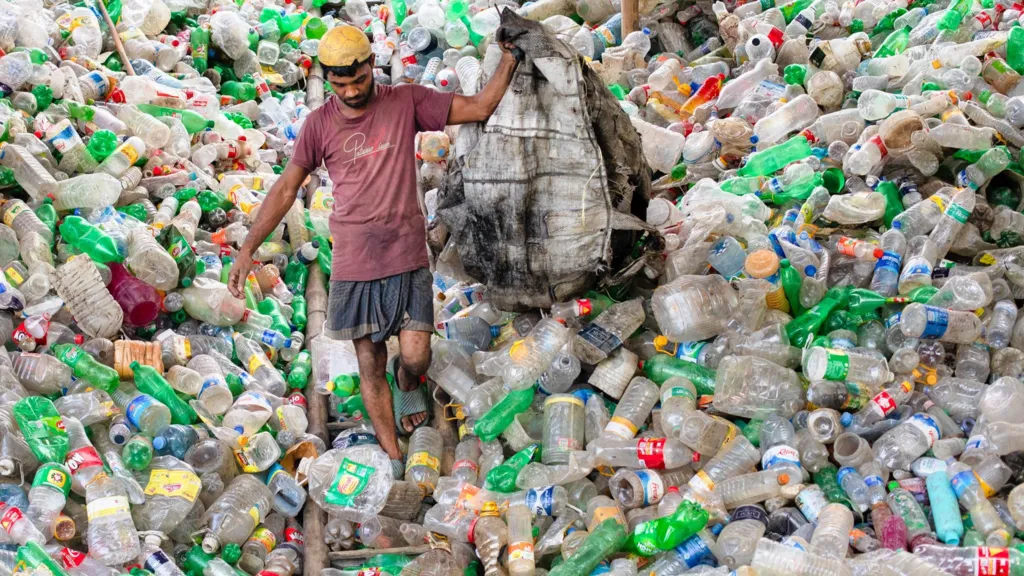
The plastic recycling industry is facing one of its toughest periods in recent memory. Across the UK, Europe and the United States, recycling plants are shutting down at an alarming rate,e. What once looked like a promising pathway toward a circular economy is now weighed down by financial pressures, policy gaps, and a global market that favours cheaper virgin plastic over recycled material. The question many are now asking is simple but urgent. Can the plastic recycling industry be saved?
The recent closures tell a worrying story. In February, waste management company Biffa shut down its Sunderland plant, which had only opened in 2022 after a seven-million-pound investment. Competitor Viridor has also been hit hard, closing its Avonmouth facility in 2022, Skelmersdale in 2023, and confirming that its Rochester operation would close as well. These are not isolated cases but part of a wider trend spreading across Europe. Veolia will close its two German recycling plants this year, while seven facilities in the Netherlands shut their doors last year.
Some of the world’s largest chemical and plastics companies are stepping back from planned investments, too. Borealis, Dow, and Neste have all cancelled proposals to build new recycling plants in Europe. Industry group Plastic Recyclers Europe estimates that nearly one million tonnes of recycling capacity have disappeared since 2023. The organisation warns that without firm political intervention, Europe risks trading its recycling ambitions for growing dependence on imported plastics and increasing volumes of unmanaged waste.
The Cost Crisis Behind the Closures
The sharp decline in recycling operations is being driven by a number of economic forces. According to James McLeary, managing director of Biffa’s polymers division, both the UK and Europe are experiencing their most difficult year yet. Rising labour and energy costs have placed enormous pressure on plant operators. At the same time, global price shifts have made it cheaper for manufacturers to buy virgin or recycled plastic from Asia than to source recycled material from Europe.
This international price imbalance has created a situation where many recycling plants simply cannot afford to continue running. Operators face a stark choice. They can keep their plants open even if they operate at a loss, or they can join the growing list of closures. McLeary explains that this growing dependence on Asian recycling plants is reshaping the market and making domestic operations far less competitive.
The United States is facing similar challenges. Low prices for virgin plastic have undermined the recycling sector’s financial model, causing closures and pushing the country further away from its recycled content goals. Analysts at S&P Global report that the economic pressures mirror those felt in Europe and the UK.
How Exporting Waste Has Complicated the Problem
Another issue weighing down the UK recycling sector is its long standing dependence on exporting plastic waste. Last year, the country exported around six hundred thousand tonnes of plastic waste, which is an increase compared with the year before. Loopholes in current legislation mean waste collectors often find it cheaper to export plastic rather than process it domestically. This discourages local investment and allows companies to avoid dealing with waste within the country’s own recycling system.
At the same time, many manufacturers continue to use cheaper virgin plastic sourced overseas. Even when they face penalties under the plastics packaging tax, buying virgin plastic remains the more affordable option. This undermines demand for recycled materials and makes it even harder for recycling companies to stay afloat.
Why the Circular Economy Is Stalling
For those working to build a genuine circular economy, the system feels increasingly disjointed. Ahmed Detta, founder and CEO of Enviroo, a London based recycling company, says the current industry landscape is full of contradictions. He believes that for a circular economy to function, every participant must benefit. Instead, companies producing packaging often prioritise cost over environmental responsibility, even if it means paying fines. Detta finds it frustrating that brands are not aligning with long term sustainability goals and that collaboration remains limited.
He says companies should be asking how to support the recycling system rather than how to work around it. Without shared commitment, the dream of keeping materials in use for as long as possible becomes difficult to achieve. While the recycling industry is struggling, many believe it could be saved through stronger policies, meaningful incentives and unified efforts across the supply chain. Whether these changes will come in time remains the pressing question.