News
UK and Norway Form New Naval Alliance to Track Russian Submarines and Protect Undersea Infrastructure

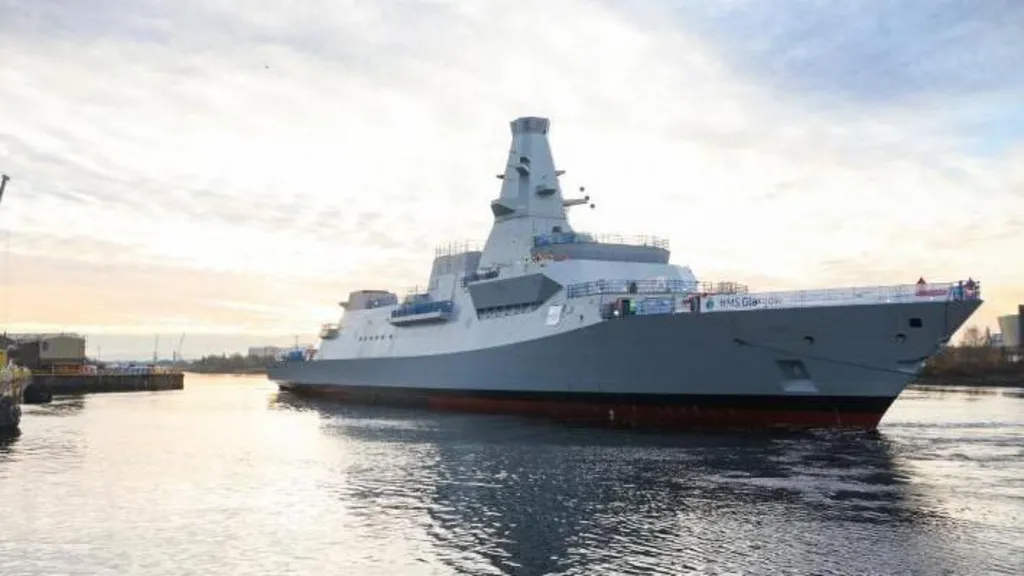
The United Kingdom and Norway have formed a new naval partnership aimed at strengthening their ability to detect and deter Russian submarine activity in the North Atlantic. The agreement, announced on Thursday, commits the two NATO members to operating a joint fleet designed to safeguard critical undersea infrastructure, including data cables and energy pipelines that both countries depend on.
British officials say the deal comes at a crucial time. The Ministry of Defence has reported a thirty percent increase in Russian vessels operating in or near UK waters over the past two years. London believes some of these vessels may be surveying or monitoring undersea networks that carry essential data, electricity, and gas. The concern is driven in part by the recent presence of the Russian vessel Yantar, which Western governments have long suspected of gathering intelligence on seabed infrastructure. Earlier this year, Yantar was accused of pointing lasers at Royal Air Force pilots, although Russia maintains the ship is used strictly for oceanographic research.
Under the new pact, the UK and Norway will jointly operate a fleet of British-built Type 26 frigates equipped for advanced anti-submarine warfare. The agreement is part of a wider ten billion pound warship deal signed in September and is formally known as the Lunna House agreement, named after a historic Shetland base used by the Norwegian resistance during the Second World War.
Prime Minister Keir Starmer described the alliance as historic, saying it significantly strengthens the UK’s ability to protect its most important infrastructure. He made the remarks while meeting Norwegian Prime Minister Jonas Støre at RAF Lossiemouth in northern Scotland. The leaders also met with maritime patrol crews who have been monitoring Russian naval activity in northern waters and assessing potential threats to communication and energy networks.
Norwegian Defence Minister Tore O Sandvik, who signed the pact with UK Defence Secretary John Healey, said the agreement reflects a shared commitment to security in the region. He added that the two countries will “defend themselves together” as they prepare for increasingly complex maritime challenges.
The alliance will deploy at least thirteen anti submarine ships from both nations, including a minimum of five Norwegian vessels. These ships will patrol the strategically important waters between Greenland, Iceland and the UK, an area long viewed as a key transit route for Russian submarines entering the North Atlantic. Protecting undersea cables and pipelines is a central priority, as these networks are essential to the UK’s communications, energy supply and financial services.
Beyond naval operations the agreement includes joint war gaming exercises and expanded use of UK built Sting Ray torpedoes. It also strengthens cooperation between ground forces, with Royal Marines scheduled to receive more extensive training in Norway’s Arctic conditions to improve their readiness for cold weather operations.
The enhanced partnership underscores the growing focus among European nations on protecting seabed infrastructure, which has become increasingly vulnerable amid rising geopolitical tensions. Both governments say the alliance marks a long term commitment to safeguarding the North Atlantic and ensuring stability in a region that plays a vital role in global security.