Tech
Australian Teens Say Social Media Should Remove Harmful Content, Not Ban Them

A growing debate is unfolding in Australia as teenagers challenge a new law that bans anyone under the age of sixteen from having social media accounts. Under the rule taking effect on 10 December, major platforms including Meta, TikTok, and YouTube must ensure young users are blocked from creating or keeping accounts. The government argues this is necessary to protect children from harmful content and the powerful algorithms that can push it toward them. However, many teenagers say the ban punishes them instead of fixing the real problems.
“Fix the Predators and Harmful Content First”
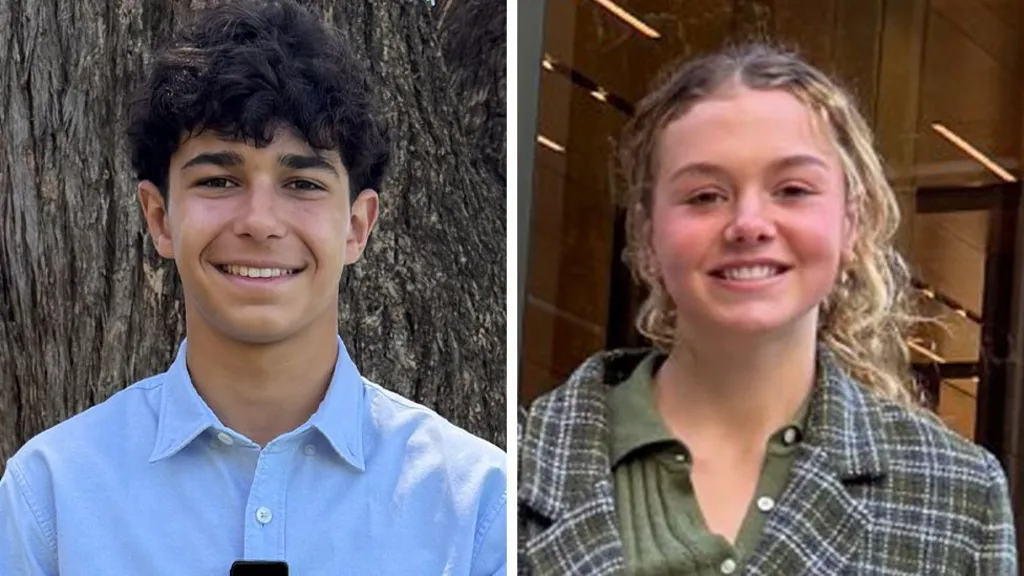
Two fifteen-year-olds, supported by a rights organisation, have taken the issue all the way to Australia’s highest court. They say the ban strips them of their fundamental right to communicate and stay informed. One of them, Noah Jones, spoke to BBC Radio 4’s Today programme and stressed that the real danger online comes from harmful content and predators, not from teenagers simply using social media. He argued that platforms should invest their time and money into removing dangerous accounts, abusive behaviour, and misleading material rather than scrambling to avoid government fines.
Teens Say Social Media Helps Them Stay Connected
Both teenagers say social media plays an important role in their everyday lives. It helps them stay connected with friends, explore their interests and learn more about the world. They worry that losing access will weaken their relationships and cut them off from important information. Noah pointed out that young people today rely heavily on online spaces for news and political updates. Without access to platforms, he feels young Australians will become less informed and have fewer opportunities to participate in discussions that affect their future.
Education and Safer Tools Instead of a Ban
The teenagers’ legal challenge is backed by supporters who argue that an all-out ban is too extreme. Instead of shutting young people out, they believe Australia should focus on stronger safety measures such as age verification, more reliable content moderation, and better education on online risks. Another teenager involved in the challenge, Ms Newland, said that teaching young people how to navigate the internet safely would be far more effective than simply locking them out. She believes platforms and the government should work together to give teens practical skills, better reporting tools and clearer information about how to protect themselves online.
A Growing Clash Between Protection and Access
Campaigners in favour of the ban insist that social media platforms expose children to harmful trends, dangerous challenges, and addictive algorithms. They believe the government has a responsibility to shield young users from the worst parts of the online world. But critics of the ban say the government is overlooking the importance of online communities for teenagers and ignoring the potential harm of isolating them from digital spaces entirely. For many young people, social media is not just entertainment — it is part of their social life, their learning environment, and even their sense of identity.
Searching for a Balanced Approach
As the 10 December deadline approaches, Australia faces a difficult balancing act. The government wants to protect children, but teenagers like Noah say the solution should be smarter, not harsher. They argue that removing harmful accounts, blocking predators and improving education would create a safer online environment for all users, not just those under sixteen. Whether the ban will hold or be overturned by the court remains to be seen, but it is clear the debate has opened a wider conversation about safety, rights and the role of young people in the digital age.