Business
YouTube Warns Australia’s New Teen Ban Could Reduce Online Safety for Children

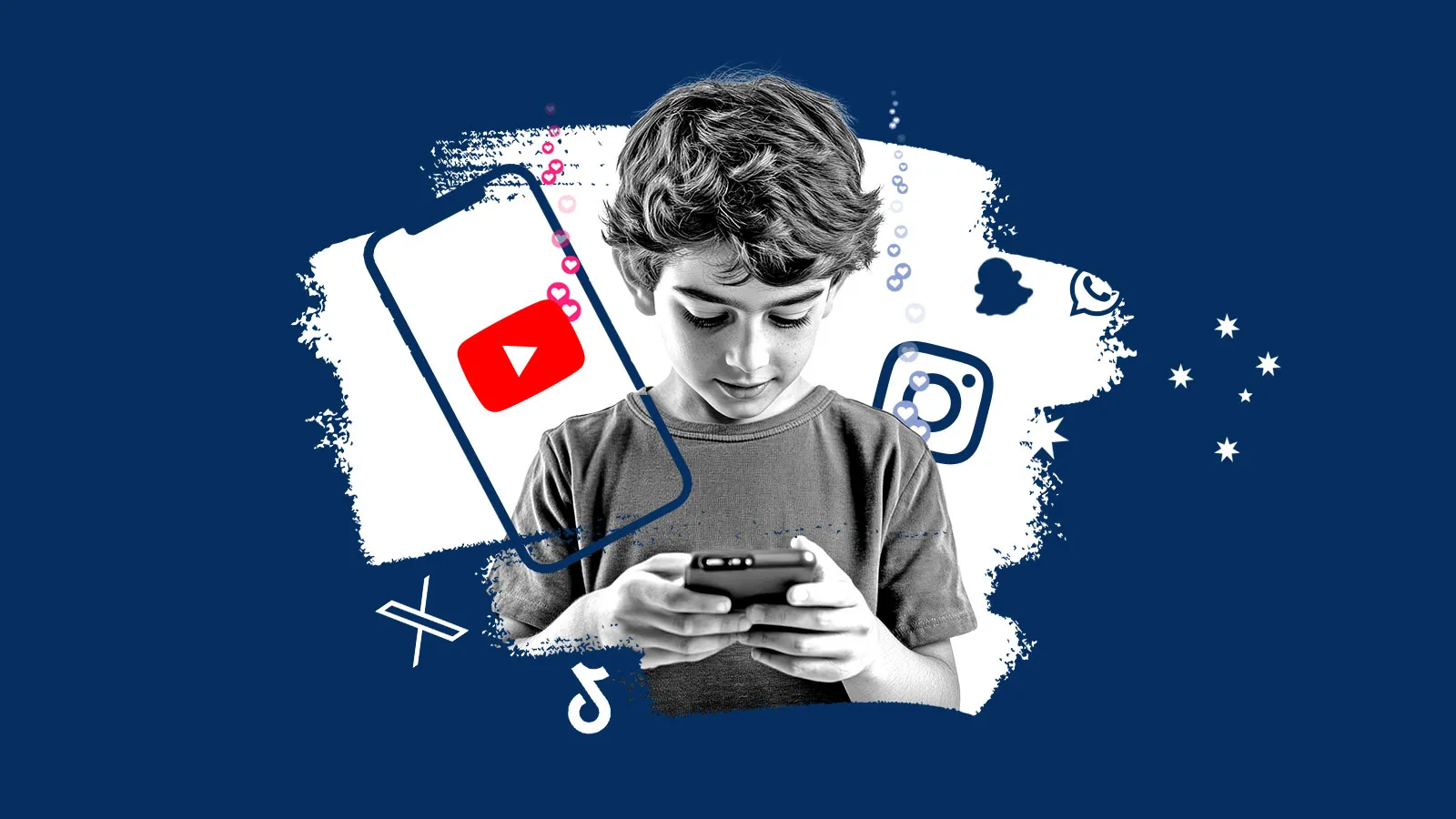
YouTube has criticised Australia’s upcoming ban on social media use for children under 16, saying the move will unintentionally make the platform less safe for young users. The company said the new rules, which take effect on 10 December, will strip away parental controls that families rely on to manage what their children watch. Under the new law, users under 16 will no longer be able to log in, meaning they can still view content but cannot have supervised accounts with customised safety settings.
YouTube said parents will lose the ability to restrict certain channels, apply content filters, or use tools that help manage screen time. The company described the change as a setback after more than a decade spent building protections designed to help families guide their children’s online behaviour.
Government Pushes Back on Platform Concerns
Communications Minister Anika Wells rejected YouTube’s criticism, saying it was strange for the platform to raise safety concerns about its own ecosystem. She said that if YouTube believed its service was unsafe for children, then it had a responsibility to address those risks directly. Wells added that the government intended to strengthen online safety and that platforms must do their part to protect young users.
Her comments came as the government’s online safety regulator turned attention to other emerging platforms. Two apps, Lemon8 and Yope, have surged in popularity among teenagers. Both platforms are now being asked to assess whether they fall under the new age restriction rules.
Why YouTube Was Included in the Ban
YouTube was initially exempt from the Social Media Minimum Age Act, but the government withdrew that exemption in July. Officials pointed to data showing YouTube was the platform most frequently cited by young people aged 10 to 15 as the place where they had viewed harmful or inappropriate content. The updated rules now require all major platforms to enforce strict age limits.
In a new statement, YouTube said that while it would comply with the legislation, the approach does not align with how young Australians use the service. The company argued that signing children out will not prevent them from viewing videos, but it will remove protections such as break reminders, bedtime prompts and content filtering tools that exist only for logged in users.
Industry Concerns and Possible Legal Action
Rachel Lord, public policy senior manager at Google and YouTube Australia, said the law was rushed and did not reflect the realities of online safety. She said educators and parents had expressed concern that the new rules would have unintended consequences. Some reports suggest Google is considering a legal challenge to the ban, although the company has not publicly confirmed this.
From 10 December, platforms will be required to deactivate existing underage accounts and block new ones. They may face fines of up to A$49.5 million if they fail to comply. YouTube Kids will remain accessible, as it is designed specifically for younger audiences and is not affected by the ban.
A Larger Debate on Children, Technology and Safety
Minister Wells said the government expects some challenges as the new system is rolled out. She described today’s younger generation as deeply immersed in digital culture, comparing constant notifications and algorithm driven feeds to a dopamine loop that can be difficult for children to manage. She argued that restricting access is one way to protect minors from prolonged exposure to potentially harmful content.
As part of the new requirements, tech companies will also need to submit reports every six months detailing how many underage accounts they have detected or deleted. The ban covers platforms including Facebook, Instagram, TikTok, Snapchat, X, Twitch, Threads, Reddit and Kick.