News
Belgium Urges EU to Abandon Plan to Use Frozen Russian Assets for Ukraine Funding

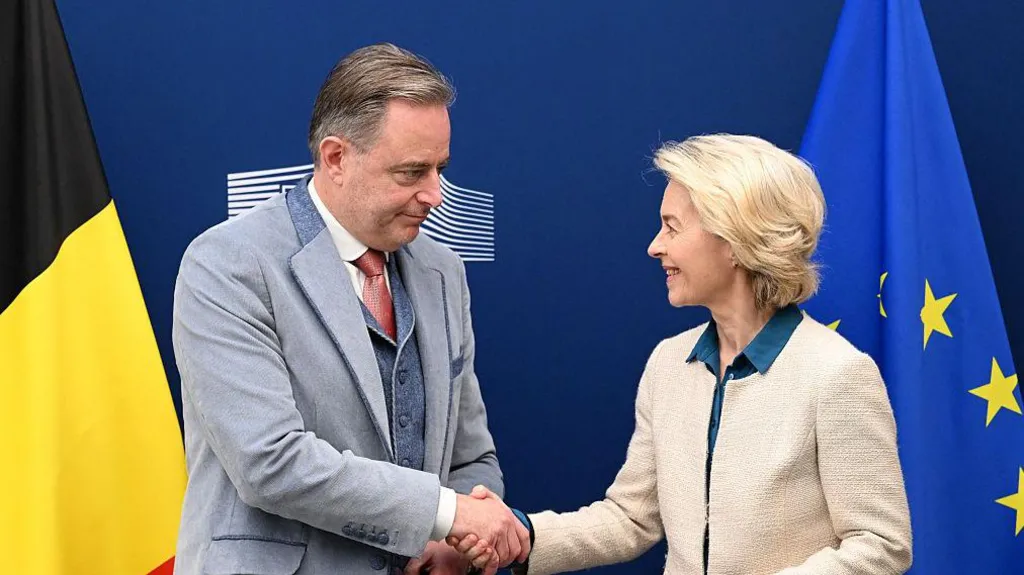
Belgium has intensified its objections to a European Union proposal to use frozen Russian state assets to help finance Ukraine, warning that the plan carries major legal and financial risks. Belgian Foreign Minister Maxime Prévot said on Wednesday that Brussels feels its concerns are being overlooked and urged EU partners to consider an alternative approach based on collective borrowing from financial markets.
The proposal, strongly backed by German Chancellor Friedrich Merz, would transform around one hundred and forty billion euros of Russian central bank assets held in Belgium into a “reparations loan” for Ukraine next year. Most EU members support the plan, and some have criticized Belgium for resisting it. However, Brussels argues that seizing the assets themselves could undermine efforts to reach a future peace deal and expose the bloc to years of litigation.
Russia has already denounced the idea, and a senior Russian banker has warned the EU could face legal battles lasting half a century if it moves forward. Belgium, where most of the frozen funds are held through the Brussels based clearing house Euroclear, says it would carry the greatest legal burden if Russia were to challenge the decision in court.
The European Commission is expected to propose ways to bridge the divide, but Prévot said the latest draft failed to address Belgium’s core concerns. EU countries have previously used profits generated from around two hundred and ten billion euros of frozen Russian assets to support Ukraine’s defense. But using the assets themselves is far more contentious due to questions of ownership, legality and long term risk.
Belgium argues that because Euroclear holds roughly one hundred and eighty five billion euros of Russia’s frozen reserves, it would be the primary target of any compensation claims. Prévot warned that losing such a lawsuit could wreck public finances. He said the potential liability is equal to an entire year of Belgium’s federal budget and well beyond the country’s ability to cover.
Prime Minister Bart De Wever has already written to European Commission President Ursula von der Leyen, calling the plan “fundamentally wrong.” Euroclear’s CEO, Valérie Urbain, has voiced similar concerns, saying the institution has a contractual obligation to return the funds to the Russian central bank once sanctions are lifted. If the assets were repurposed and no longer available, Belgium could be forced to step in.
Belgium has proposed a different solution: issuing a forty five billion euro EU level loan for Ukraine through existing budget mechanisms shared among all twenty seven member states. However, Merz argues that using Russian assets is both urgent and justified, saying it sends a strong message to Moscow at a time when Ukraine faces renewed attacks and severe winter conditions. EU foreign policy chief Kaja Kallas also supports the plan, insisting it would increase pressure on Russia and encourage negotiations.
Financial law experts say Belgium’s concerns are reasonable. Veerle Colaert of KU Leuven University noted that shifting frozen reserves into an EU loan fund could damage trust in Europe’s financial system. She said raising money through markets would be safer, even if less politically symbolic.